Dr Prashant Kadam

LIVER TRANSPLANT +
CANCER SURGERY +
LIVER TRANSPLANT
GALL BLADDER SURGERY +
BILIARY SURGERY +
CANCER SURGERY
LIVER TRANSPLANT +
PANCREATIC SURGERY
CANCER SURGERY +
LIVER TRANSPLANT
LIVER SURGERY +
CANCER SURGERY
Introduction to Autoimmune Hepatitis

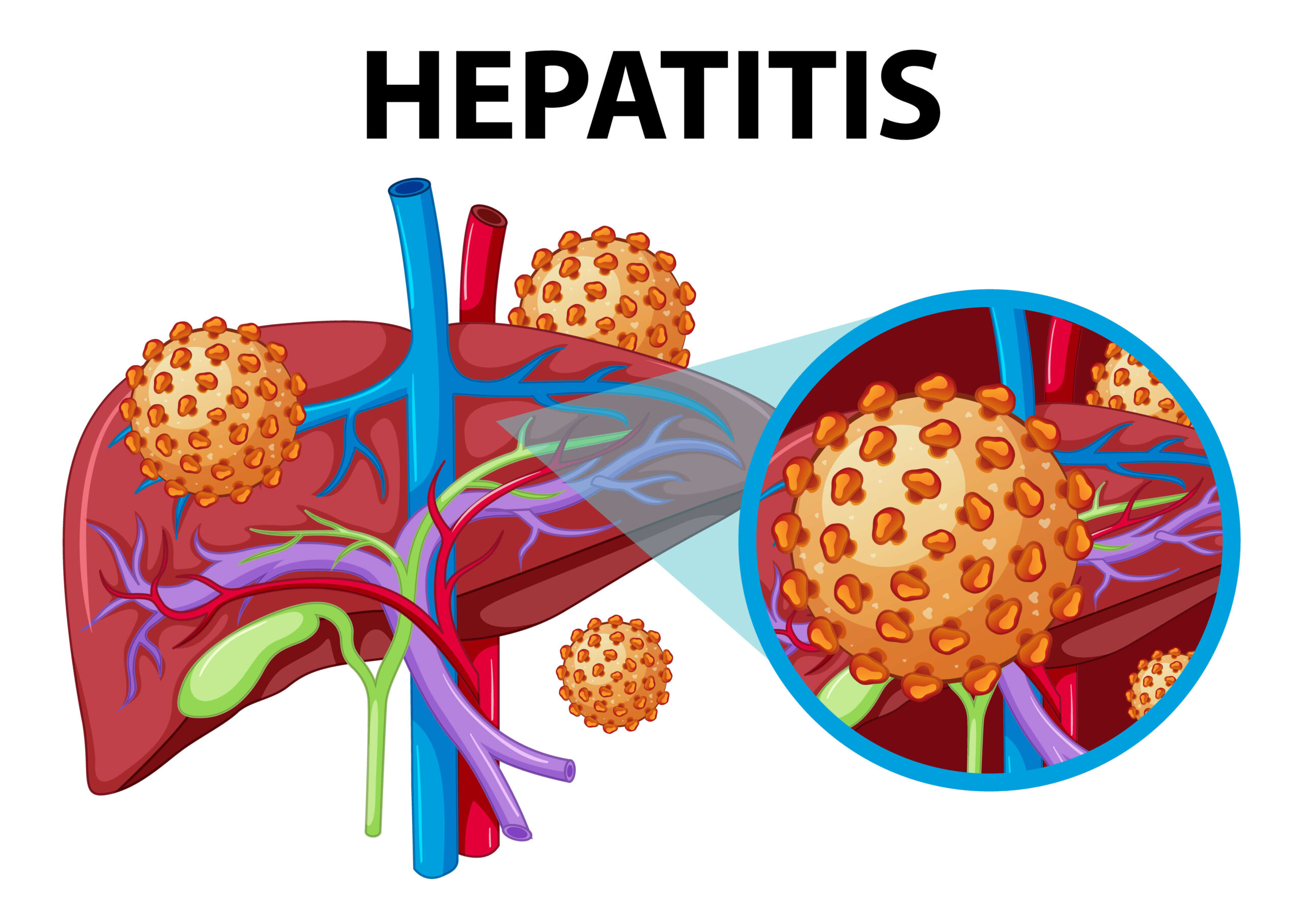
Autoimmune hepatitis is a long-term condition where a person’s liver is attacked by their immune system. The condition causes chronic liver inflammation, which can lead to liver damage and liver failure if not treated in time. People suffering from this disease can live a healthy life if they seek proper medical care and checkups at an early stage. With proper medical care and checkups. Patients are given proper medical care and treatment planning under the supervision and guidance of Dr. Prashant Kadam.

Effects on Liver Health

In this disease, a person’s immune system does not recognise their liver as a normal part of their body, which leads to liver cell damage over time. This disease can affect anyone, including children and can affect women more often than men.

Causes and Risk Factors

The exact cause of the disease is still not known, but it occurs due to a combination of genetic and immune system factors. However certain factors can trigger this condition in people who are already suffering from risk factors.


Most common risk factors include:

Understanding and recognising risk factors can help a person seek early medical evaluation and treatment.

Common Symptoms

The symptoms of autoimmune hepatitis vary from person to person. Some may experience mild symptoms, while others may experience severe symptoms.


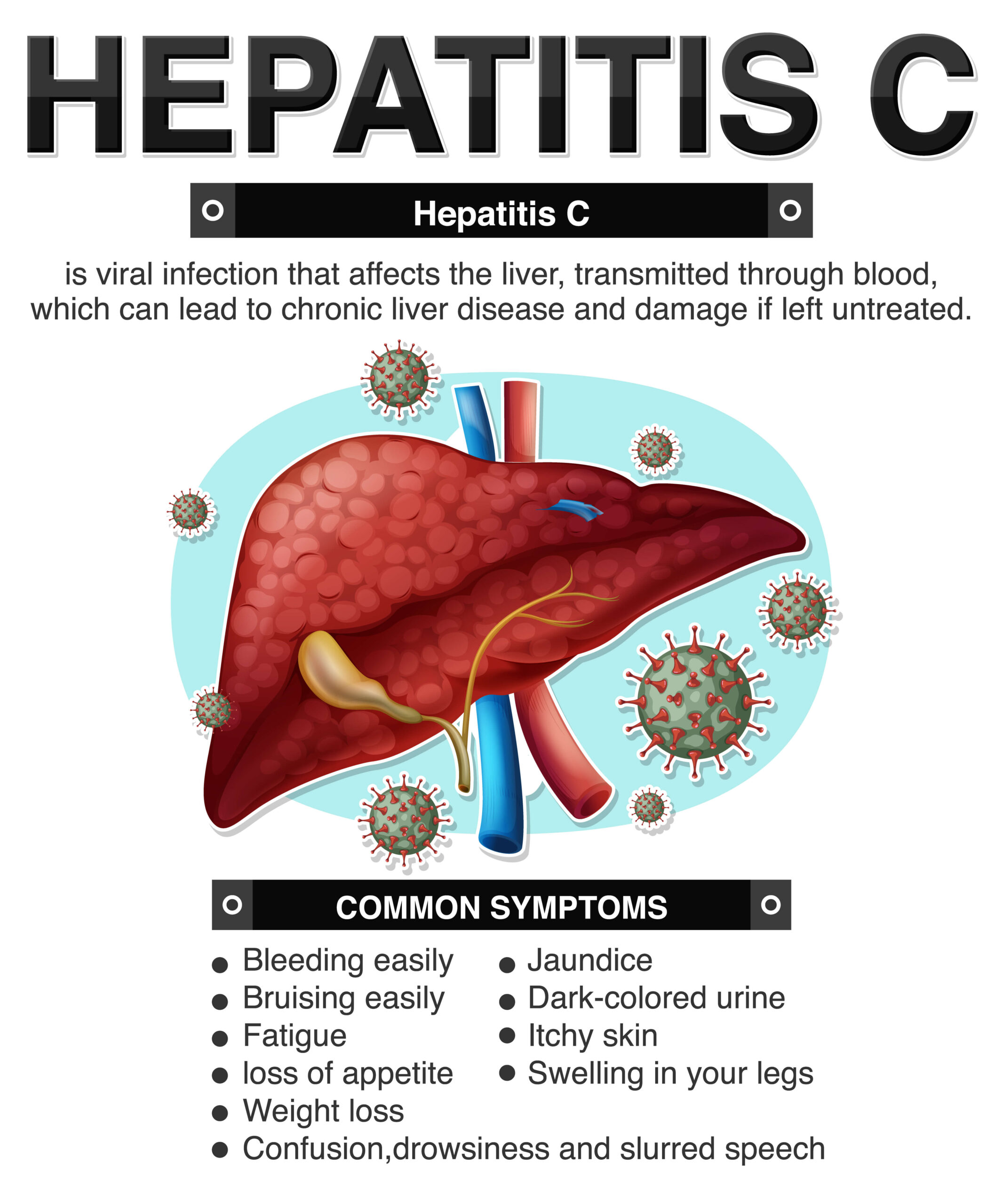
The most common symptoms of autoimmune hepatitis are as follows:

Early medical care helps in the successful treatment of this condition and limits the damage to the liver.

How the Condition is Diagnosed?

Autoimmune hepatitis is diagnosed through blood tests, which help in the determination of liver enzymes and immune system abnormalities. Imaging procedures are conducted to ascertain the condition of the liver and rule out other liver-related conditions. A liver tissue analysis through a liver biopsy is conducted to confirm the diagnosis of the disease and to ascertain the extent of liver damage.

From Early to Advanced: Care and Monitoring

Stage

Early and Controlled Disease

Advanced Disease

Focus

Immune Control

Liver Support

Response to Medicines

Good

Limited

Monitoring

Routine Follow-ups

Intensive Care

Outcome

Stable Liver Function

Transplant Evaluation


The above table shows the management of autoimmune hepatitis at various stages. The early detection of the disease enables better management and stabilisation of the liver function. In advanced stages, liver support and a liver transplant are considered for treatment.

Stage

Early and Controlled Disease

Advanced Disease

Focus

Immune Control

Liver Support

Response to Medicines

Good

Limited

Monitoring

Routine Follow-ups

Intensive Care

Outcome

Stable Liver Function

Transplant Evaluation


The above table shows the management of autoimmune hepatitis at various stages. The early detection of the disease enables better management and stabilisation of the liver function. In advanced stages, liver support and a liver transplant are considered for treatment.

Effective Autoimmune Hepatitis Treatment in India

Treatment helps in controlling the condition and preventing liver damage. Treatment includes the use of medicines that reduce liver inflammation and other long-term medicines to maintain the condition of the liver.

Expected treatment outcomes in India are as follows:

  • Reducing liver inflammation
  • Supporting long-term liver function
  • Maintaining normal liver function
  • Minimising symptom recurrence

Autoimmune hepatitis treatment in India is highly successful when the treatment is started early and is consistent.

When Transplant Becomes Necessary?

In some cases, the medications may not control the disease anymore, or liver damage may be severe. A Liver Transplant for Autoimmune Hepatitis may be required in such cases, with experienced specialists ensuring long-term survival and a good quality of life. A liver transplant can provide long-term survival and a good quality of life when done on time.

Life After Treatment or Transplant

Individuals maintain good health with autoimmune hepatitis after proper care for long periods and the patient resumes his or her normal activities with regular follow-ups and medication.

Choosing the Right Specialist

Managing autoimmune hepatitis requires a specialist who understands the disease and its long-term treatment. Dr. Prashant Kadam is an autoimmune liver disease specialist and has the expertise to guide patients through every step of care. He is also knowledgeable about the long-term management of the disease, as he offers the right care with clear communication, which makes the patients feel confident throughout the process.

Frequently Asked Questions

Yes, autoimmune hepatitis is a lifelong disease and patients suffering from this disease will require long-term care.

No, not all patients require a liver transplant, as some respond well to the treatment given by the specialists.

Yes, the disease may recur after the transplant, but the specialists are knowledgeable about the long-term management of the disease, meaning the recurrence is well monitored.

Yes, early treatment is the key to the long-term health of the liver and starting care promptly helps protect liver function and prevent serious complications.

Schedule Appointment

Fill out the form below, and we will be in touch shortly.