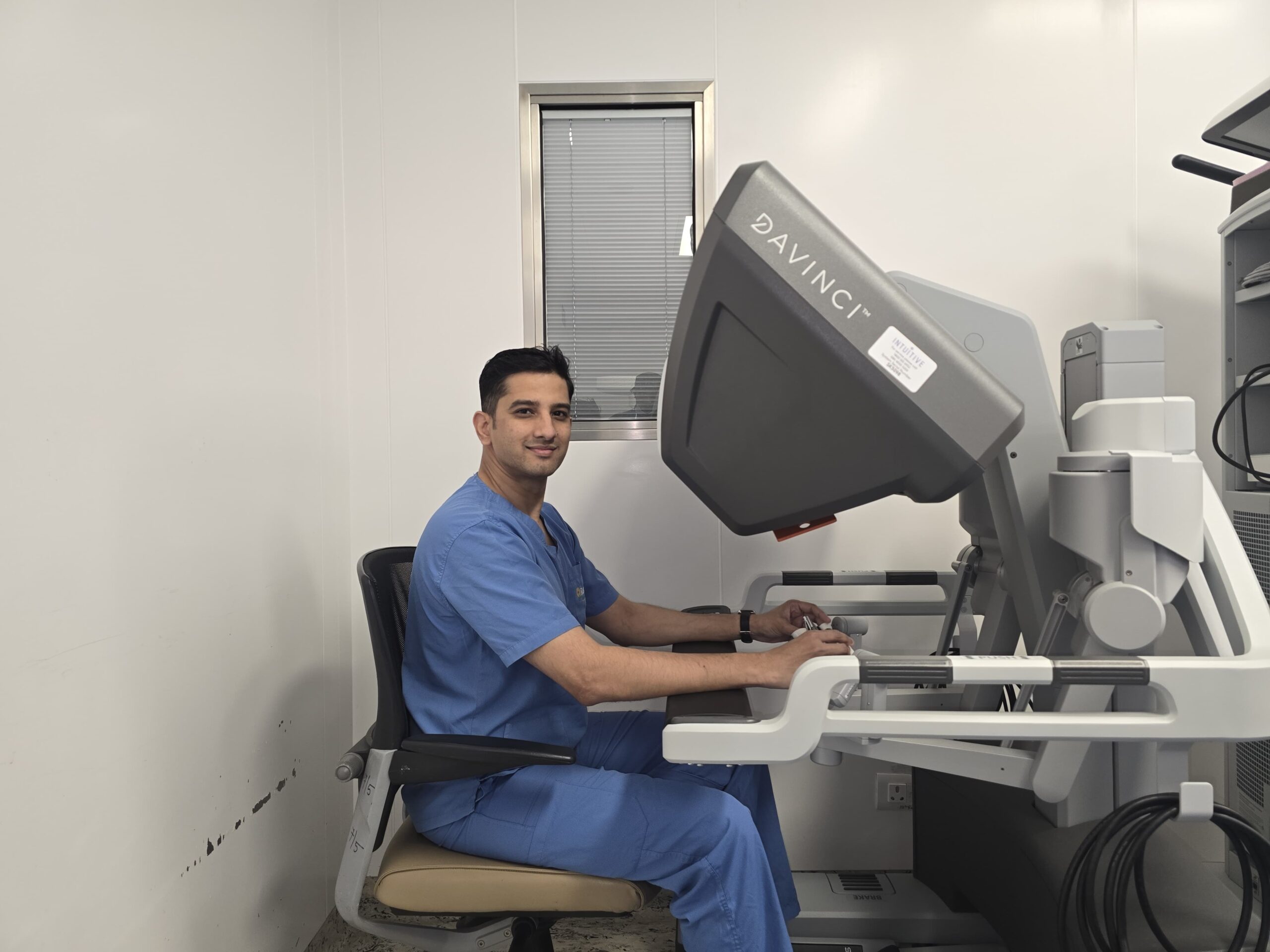
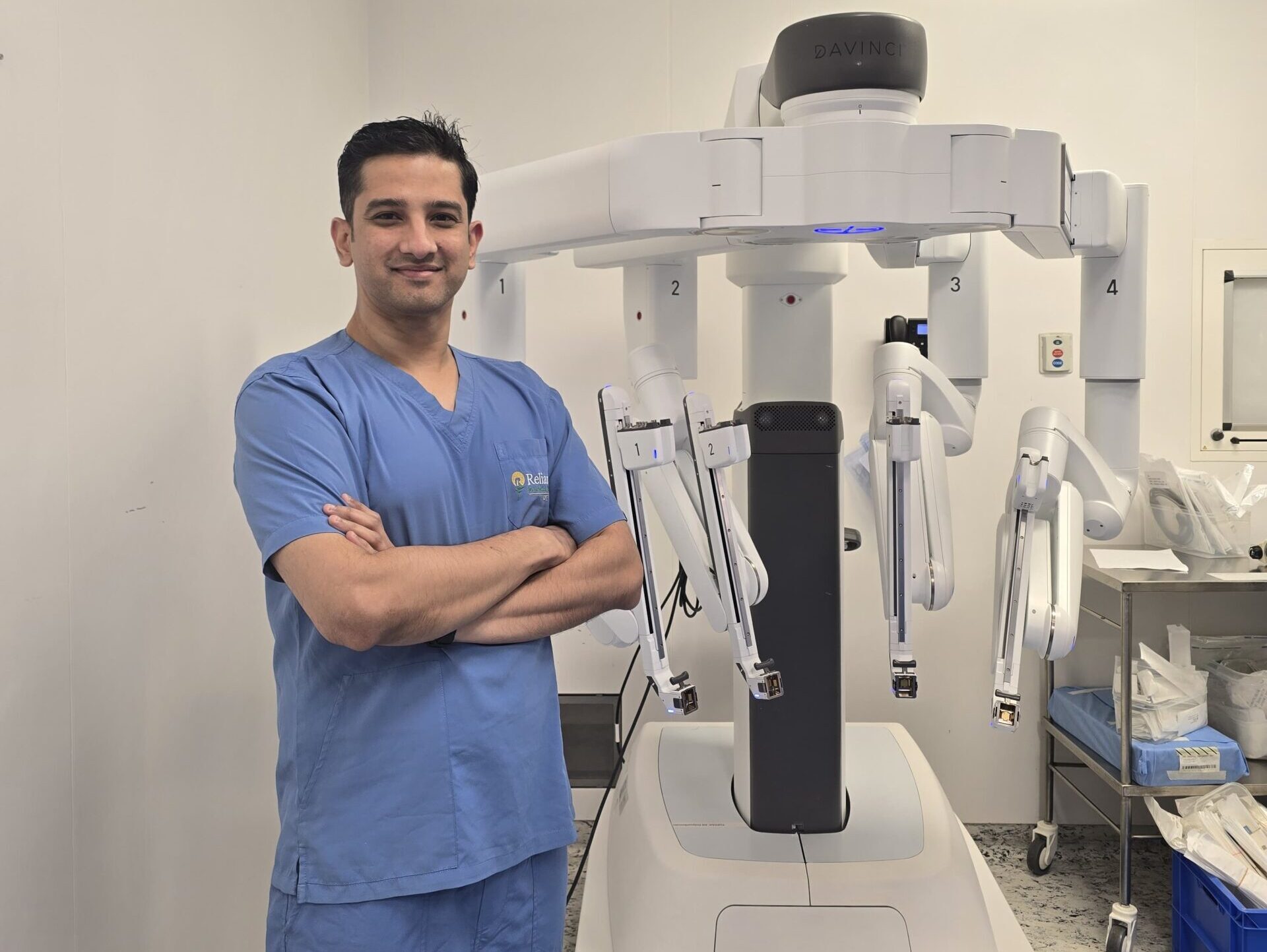
Dr Prashant Kadam

LIVER TRANSPLANT +
CANCER SURGERY +
LIVER TRANSPLANT
GALL BLADDER SURGERY +
BILIARY SURGERY +
CANCER SURGERY
LIVER TRANSPLANT +
PANCREATIC SURGERY
CANCER SURGERY +
LIVER TRANSPLANT
LIVER SURGERY +
CANCER SURGERY

Robotic Liver & HPB Surgery

Robotic liver surgery is an advanced surgical approach for liver and HPB diseases. Dr. Prashant Kadam provides his expertise in robotic surgery for improved accuracy, minimal pain, and faster recovery. International patients and Indians look up to him for a safe and properly planned robotic surgery that is in accordance with global medical surgery standards.


It integrates surgical skills and robotic systems for the treatment of liver tumours, as well as donor and selected transplant-related surgery.


Robotic HPB surgery has improved precision while operating near vital liver and bile duct structures. Robotic HPB surgery is preferred in selected complex hepatopancreatic cases where control and visibility are critical.

Dr. Prashant Kadam — Liver Transplant & HPB Surgeon with 15+ years of advanced surgical expertise.

What is a robotic liver surgery?

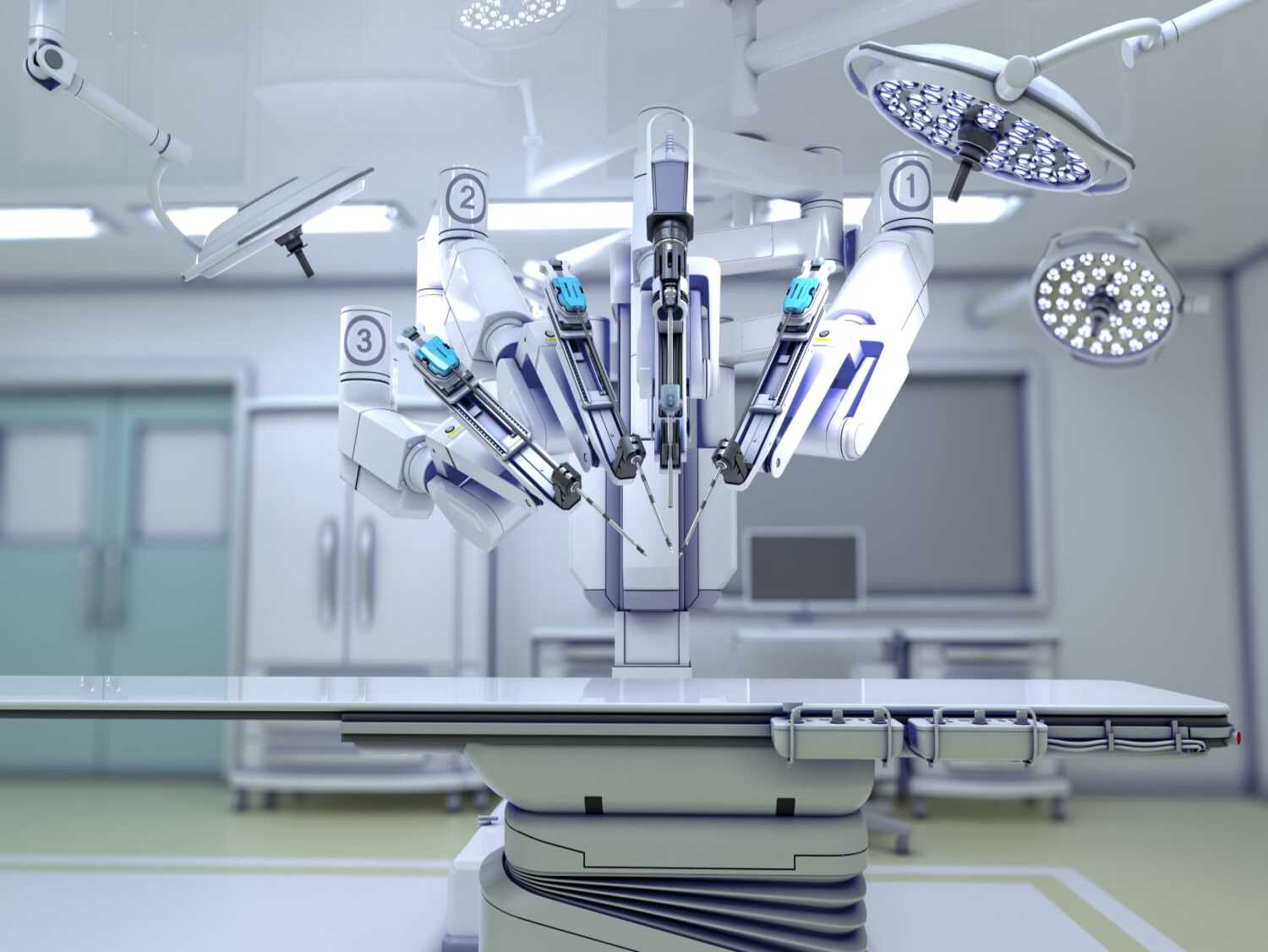
The robotic method of performing surgery on the liver uses computer-assisted robots, which are fully controlled by the surgeon. The robot operates in such a way that it does not work on its own. The advantages of using the robot include improving the function of the human hand, depth vision, and control.

The key features are:

  • High-definition 3D visualization
  • Increased surgical accuracy
  • Stable instruments with fine control of movement
  • Smaller cuts than in open surgery

Dr. Kadam adopts robotic methods only when they are considered suitable and safe for the patient.

Why do patients choose robotic liver surgery?

Patients are searching for robotic liver surgery to decrease surgical trauma and ensure safety at the same time.

Advantages & Benefits

  • Smaller surgical cuts and decreased bleeding
  • Less post-operative pain
  • Reduced hospital stay
  • Quick recovery of daily functioning
  • Enhanced cosmetic result

The benefits of the procedure depend on patient selection and the level of the surgeon’s expertise.

Robot-assisted liver transplant and donor surgery

Robot-assisted techniques are being increasingly applied to selected transplant-related procedures. Dr. Kadam evaluates before recommending a robotic liver transplant donor surgery. The liver transplant success rate in India has improved due to experienced transplant teams and structured care protocols. More families are now asking specifically about robotic liver transplant surgery in India, mainly because of the shorter recovery time it offers over open surgery.

Procedures performed using robotic surgery:

  • Robotic liver donor surgery for Living Donor Liver Transplantation (LDLT)
  • Robotic liver transplantation procedure (LDLT and DDLT)
  • Robotic liver resection for liver tumours or cancer.
  • Robotic liver resection for liver metastasis including colorectal liver metastasis (CRLM)
  • Robotic Hepatic Arterial Infusion Pump Placement

The liver transplant success rate in India depends on donor safety, patient condition, and surgical expertise.

Each robotic liver transplantation surgery in India takes place with proper safety and donor protection standards.

Conditions Treated with Robotic Surgery:

  • Liver tumors or cancer 
  • Bile duct disorders
  • Pancreatic diseases inducing Pancreatic Cancer
  • Complex HPB reconstructions

All discussions about the procedure are discussed with the patients by our team before undergoing the surgery.

Is robotic surgery safe?

How safe is robotic surgery? This has been a concern for patients as well as their families.

Robot-assisted surgery is considered safe if:

  • Conducted by skilled and experienced surgeons
  • Used for the right indication
  • Supported by the best  ICU and anesthesiology teams
  • Equipped with effective infection control measures

Dr. Prashant Kadam takes all the precautions to minimise risks in robotic surgery. Patients are thoroughly briefed about the advantages and risks.

Risk of robotic surgery

Each surgical technique has potential dangers. The risk in robotic surgery varies based on complexity and patients.

Potential risks:

  • Bleeding
  • Infection
  • Bile leak
  • Conversion to open surgery if needed

The dangers are all discussed in detail with the patients by the doctor before surgery, and measures for safety are made at every step.

Robotic Surgery in the Hepatopancreatic

The Hepatopancreatobiliary Robotic Surgery in India is increasingly getting noticed on an international platform. Dr. Prashant Kadam’s practice is benchmarked internationally and is made affordable for patients who come from other countries.

Robotic Surgery vs Traditional Surgery

Comparing robotic surgery and traditional surgery can help a patient make an informed and right decision.


Aspect     Robotic surgeryTraditional Surgery
Stitch length     SmallLarge
Blood loss refers to  Lower in selected cases      Higher
Pain after surgeryLessMore
Hospital stayShorterLonger
Visual accuracy3D magnified viewDirect vision
Recovery TimeFaster

Slower


Robotic surgery vs. open surgery does not always indicate that robotic surgery is the better option.

Robotic Surgery Cost in India

International patients also ask about the cost of robotic surgery in India. Although it is difficult to give specific numbers, India provides high-quality robotic medical services at an affordable cost when compared to other nations.


The robotic surgery cost in India depends upon hospital setup, surgeon experience, and case complexity.


The cost of robotic surgery is also influenced by several factors that include the following:

  • Type of procedure
  • Hospital infrastructure
  • Time period of stay
  • ICU and Recovery Requirements

The robotic surgery cost in India appears higher initially but often balances out due to faster recovery and shorter hospital stays.


With respect to the comparison between the cost of robotic surgery and traditional surgery, if a comparison is made concerning the cost, the initial cost of robotic surgery might seem higher, but the indirect costs might be decreased because of the faster recovery time.

Robotic Liver Transplant Surgery in India for International Patients

Robot-assisted liver transplants in India attract those looking for qualified surgeons and organised care. Dr. Prashant Kadam assists foreign patients with evaluation, management, and follow-up care. Many of them reach out to him after comparing options for robotic liver transplant surgery in India, largely because of his experience with both donor and recipient procedures.


The international patients experience:

  • World-class Surgical Systems
  • Experienced transplant teams
  • Transparent communication
  • Structured care plans post-surgery


Which patients are appropriate candidates for robotic liver surgery?

Not all patients can be implanted. It depends on:

  • Condition and stage of the liver
  • Tumour position
  • Overall health
  • Previous surgeries

Robotic liver surgery would be advised only if it enhances both safety and results..

Why choose Dr. Prashant Kadam for Robotic Liver and HPB Surgery?

Patients trust Dr. Prashant Kadam for his balanced approach to advanced medical technology and patient safety.


The reasons include:

  • Experience in liver transplant and HPB surgery
  • Careful selection of patients
  • Ethical decision-making
  • Excellent post-operative care

Advice on robotic liver surgery

In case you are looking to learn more about robotic liver surgery or want expert advice on procedures related to the liver and HPB, consult Dr. Prashant Kadam.

Frequently Asked Questions

Choosing a hospital for liver cancer robotic surgery in India means looking beyond the availability of robotic technology. Ask about the team’s specific experience in robotic HPB surgery and how many liver cancer cases they have operated on. It’s also important to understand their experience with tumours similar to yours, their complication rates, and their plan if the surgery needs to be converted from robotic to open midway through. The hospital should also have a multidisciplinary team — experienced anaesthesiologists and ICU staff — to support you before and after the procedure.

Robotic surgery for liver cancer uses robotic arms controlled by the surgeon to remove a tumour through small cuts in the abdomen. The system gives the surgeon a magnified, high-definition view and precise, tremor-free control while working around important blood vessels and other structures in the liver.

It may be considered when the tumour is in a suitable location and the patient is fit enough to undergo robotic surgery, but it isn’t the right option for every patient. The tumour’s size, location, and complexity, along with the condition of the liver, need to be assessed before deciding whether robotic or open surgery is more suitable — larger or more complex tumours usually still require open surgery.

While robotic surgery for liver cancer focuses on tumour removal, robotic liver transplant involves a more complex application of the same technology to the transplant procedure itself. This is still a developing area, available only at select specialised centres.
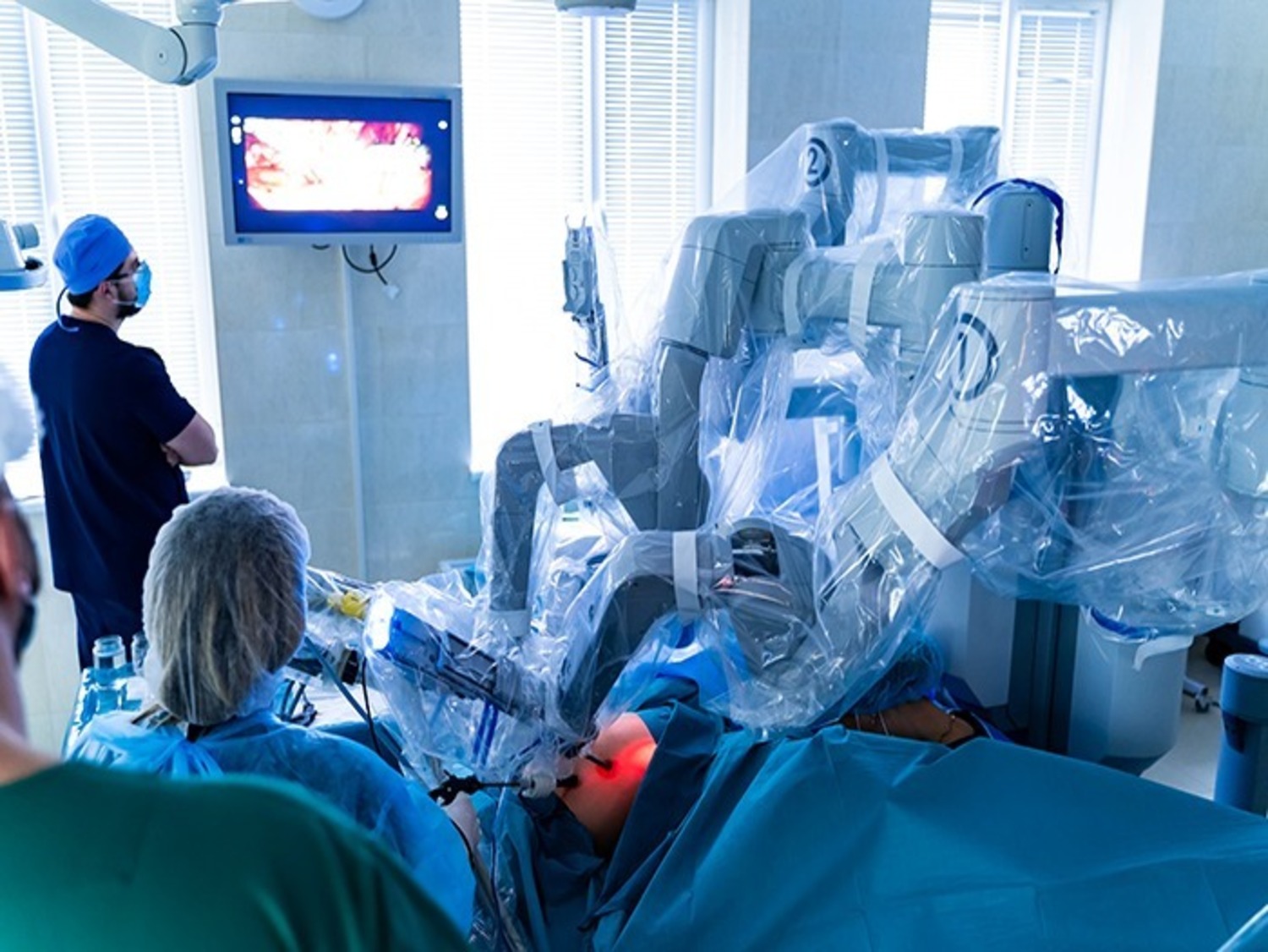
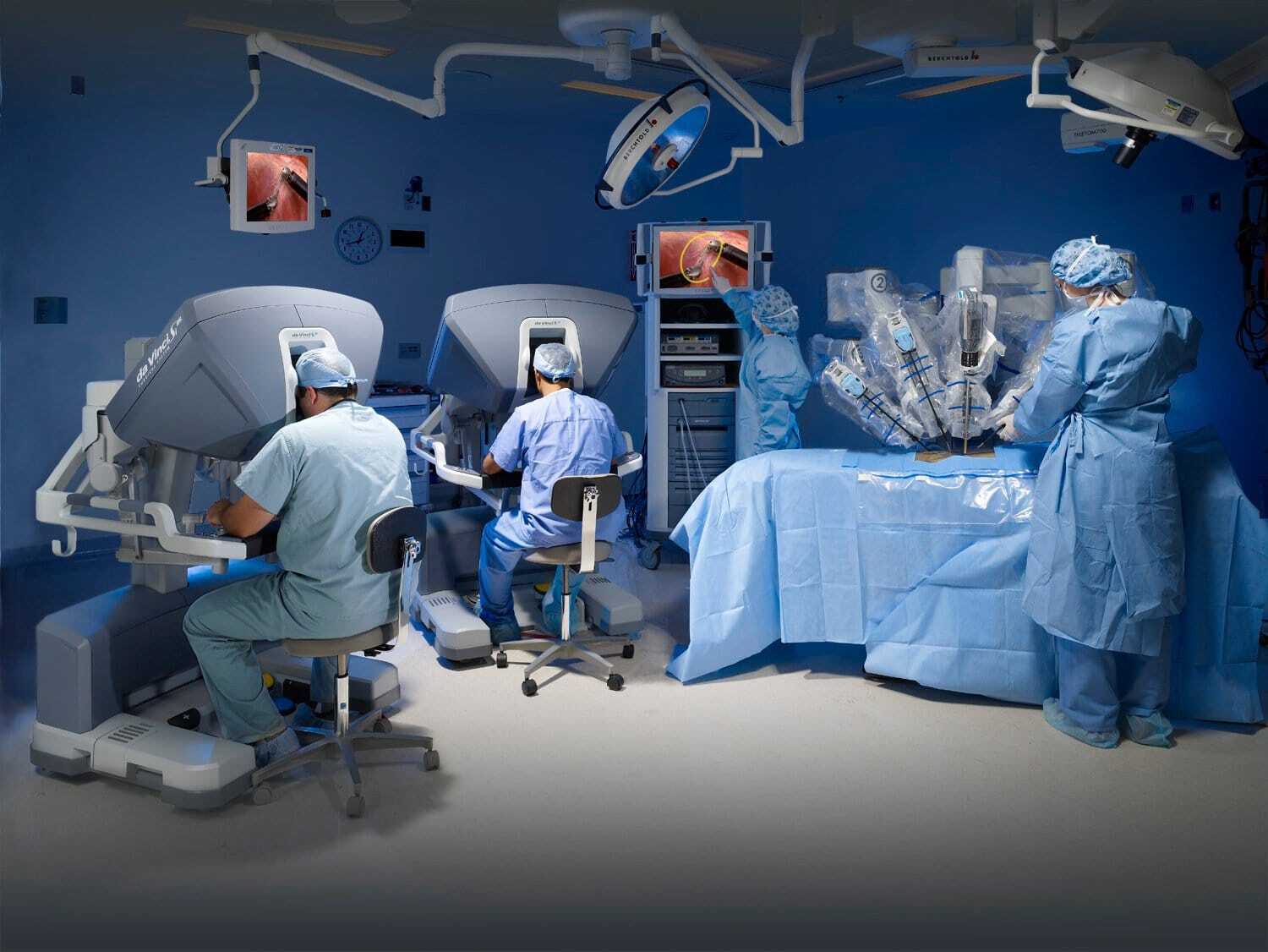
Robotic liver transplant surgery is a developing field in India. Only a few centres with surgeons trained in robotic HPB surgery currently perform it, and smaller incisions can mean quicker recovery than with usual open surgery. Because transplant surgery involves far more complexity than routine robotic procedures, suitability depends on donor and recipient anatomy along with how intricate the individual case is. It’s best to ask the treating centre directly about its experience with robotic liver transplants.

Robotic HPB surgery is a minimally invasive way of carrying out certain procedures on the liver, pancreas, and bile duct — covering both malignant and benign growths, along with conditions such as pancreatic cancer, gallbladder disease, and bile duct strictures.

Robotic liver surgery provides added precision when working around blood vessels close to small tumours, and is best suited to tumours near the liver’s major vessels.

Suitability depends on the type of cancer, its location, and the patient’s general health, and would only be confirmed by the consultant after reviewing scan results and test findings.

Robotic surgery in India costs considerably more than conventional open surgery, largely because of the added equipment and technology charges the robotic system involves.

Costs vary by hospital, city, and the procedure performed — metropolitan cities like Delhi and Mumbai tend to cost more than smaller cities. Insurance coverage also differs from provider to provider, so it’s worth checking your policy details beforehand. Contact the hospital directly for an approximate cost and details about the surgical procedure.

Robotic liver surgery offers advantages like better precision, smaller cuts, and a shorter hospital stay compared to conventional open liver surgery, especially for tumours close to major blood vessels.

It also has limitations: not every patient is a suitable candidate, not every hospital has the equipment, and the costs are higher. Outcomes also depend heavily on the surgeon’s individual expertise, which is why robotic HPB surgery is usually performed by a small number of well-trained surgeons. Team experience matters even more when it comes to robotic liver transplants, given the added complexity involved.

Schedule Appointment

Fill out the form below, and we will be in touch shortly.