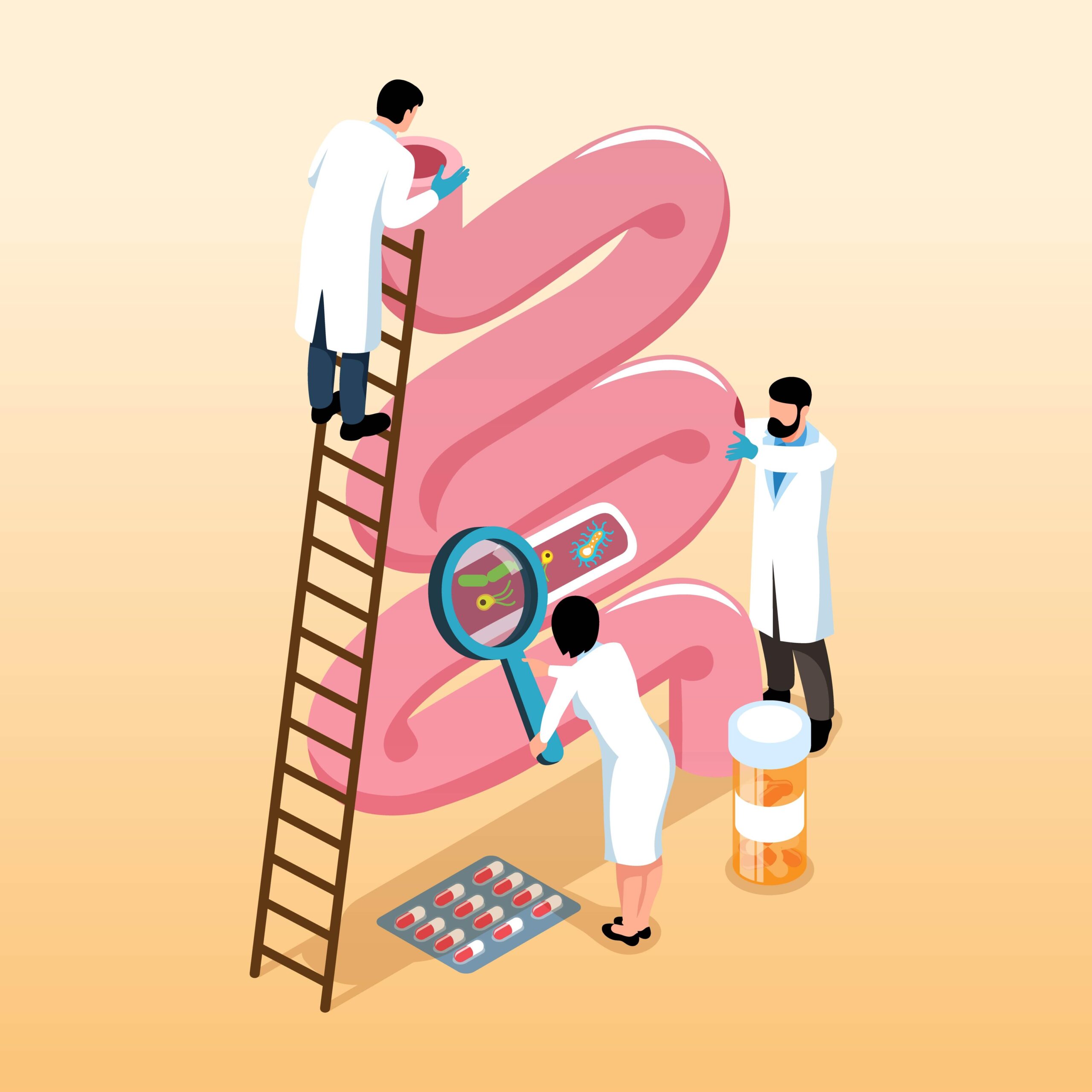
A small bowel transplant is considered when the intestine can no longer absorb enough nutrients, fluids, and other essential substances to sustain life — even with intravenous (IV) nutrition, also called parenteral nutrition, given directly through a vein when the gut cannot absorb enough on its own. It becomes an option once long-term IV nutrition is no longer safe or has started causing serious problems, such as liver damage from prolonged IV feeding, recurrent line infections, or, in children, faltering growth and development.
Conditions that can lead to this point include short bowel syndrome (often after extensive bowel surgery), severe Crohn’s disease, intestinal blockages that don’t respond to treatment, poor blood flow to the intestine, and certain congenital bowel conditions in infants. A transplant team weighs the patient’s overall health and how they’re responding to other treatments before recommending surgery.