Dr Prashant Kadam

LIVER TRANSPLANT +
CANCER SURGERY +
LIVER TRANSPLANT
GALL BLADDER SURGERY +
BILIARY SURGERY +
CANCER SURGERY
LIVER TRANSPLANT +
PANCREATIC SURGERY
CANCER SURGERY +
LIVER TRANSPLANT
LIVER SURGERY +
CANCER SURGERY
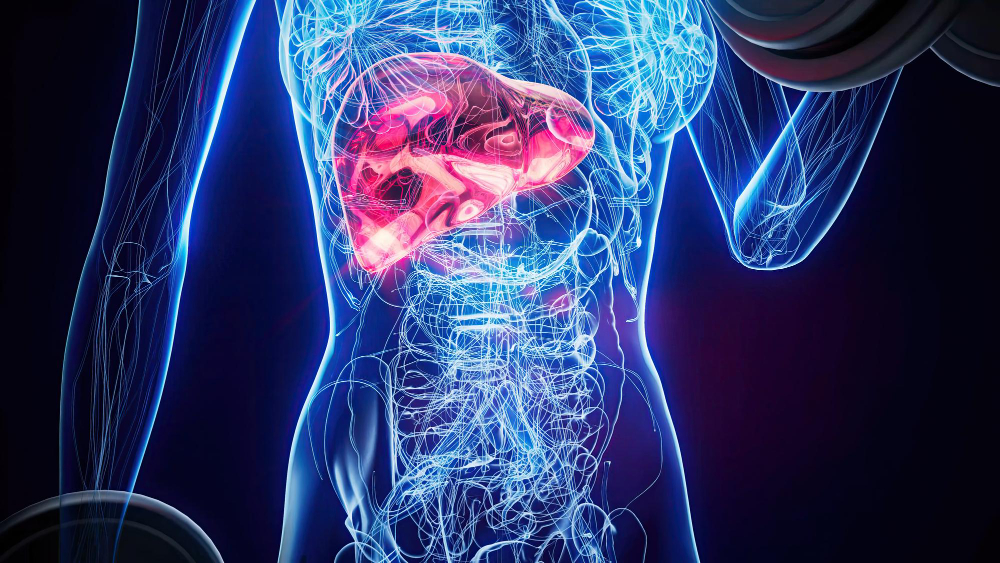

Liver Transplant Success Rate in India

When your doctor recommends a liver transplant, a common question is often, is it going to be successful? Which is a genuine concern for patients undergoing a liver transplant and understanding the success rate of liver transplant in India supports better decision-making. Dr Prashant Kadam provides clear information to help you better understand the procedure and its expected outcomes and the success rate of liver transplant surgery across different patient groups.

What Makes a Liver Transplant Necessary?

The liver is an extremely important organ of the human body system and when it is diseased or damaged, the organ may be so dysfunctional that it would require a transplantation to save the person’s life. Some of the main reasons why people may require liver transplantation include:

  • Cirrhosis as a result of chronic alcoholism or infection with the hepatitis viruses (B and C) 
  • End-stage liver disease due to Non-alcoholic fatty liver disease (NAFLD) 
  • Acute liver failure caused by medication overdose or viral infections.

India's Growing Excellence in Liver Transplantation

In recent years, India has rapidly developed as one of the most advanced and reliable liver transplantation services in the world. India has experienced a yearly increase in liver transplant success rates because of improvements in surgical methods and postoperative care. Patients often choose India for its affordability as well as strong clinical standards. The success rates of liver transplants are determined by the patient’s clinical condition, health and the level of experience of the transplant team. 

Factors that affect the Success Rate

Factor

Living Donor Transplant

Deceased Donor Transplant

Donor organ quality

Generally higher (younger, healthy donor)

Variable based on donor condition

Wait time

Shorter – planned procedure

Longer – depends on organ availability

Common in India

Yes, the most common type

Growing but less frequent

Factor

Living Donor Transplant

Deceased Donor Transplant

Donor organ quality

Generally higher (younger, healthy donor)

Variable based on donor condition

Wait time

Shorter – planned procedure

Longer – depends on organ availability

Common in India

Yes, the most common type

Growing but less frequent

Liver Transplant Success Rate by Age

Age is one of the many factors that influence the success of the procedure and play a significant role in determining the overall outcome. Dr. Prashant Kadam evaluates each case individually and in most instances, age is not a deciding factor.

Children & Teens (Under 18)

Young patients adapt rapidly to the organ and with adequate follow-up, the long-term survival rates are good.

Adults (18–50)

This group typically achieves optimal results, having fewer health complications and greater capacity for recovery; the success rate of liver transplants is highest in this age group.

Adults (50 and Above)

Older patients can enjoy many healthy years of life after the transplant. A careful and thorough evaluation, before the procedure, helps increase the success rate of liver transplant in India for this age group as well.

Life Expectancy After Liver Transplant in India

Many patients who undergo liver transplants can achieve good long-term outcomes if they follow the follow-up schedule and medication plan. The life expectancy of patients after liver transplants in India can extend beyond 15-20 years if they maintain a healthy lifestyle and stick to the prescribed treatment plan.


Timeframe

Survival Rate

1 Year

90 – 93%

5 Years

75 – 85%

10 Years

60 – 70%

20-30 Years or more

45 – 55%


Survival improves significantly after the first year, especially when patients avoid major infections and transplant-related complications.

Post-Transplant Care Tips

  • Take medications exactly as prescribed
  • Attend all follow-up appointments without fail
  • Avoid alcohol and follow a liver-friendly diet

If you suspect any sort of infection or rejection, you must report these symptoms immediately to a specialist. 


A qualified liver transplant specialist in India plays a crucial role in guiding patients through recovery and long-term care.

Why Trust Dr Prashant Kadam?

When searching for the best liver transplant hospitals in India, your surgeon’s experience is the most crucial factor. Dr. Prashant Kadam brings deep expertise in complex transplant cases, offering both clinical excellence and compassionate support throughout your journey. He focuses on patient safety, clear communication and long-term transplant success to achieve the best possible outcomes and maintain a high liver transplant success rate in India.


Book a consultation today to discuss your condition and understand the best treatment options available to you. Get clear guidance and a personalised treatment plan tailored to your medical needs.

Frequently Asked Questions

The liver transplant success rate in India depends on patient health, donor organ quality and the surgical team’s expertise. Many top hospitals in India achieve results that meet international performance standards.

Younger patients typically have the most successful liver transplants. Older patients in good overall health also achieve strong outcomes when carefully evaluated by liver transplant specialists, which improves the liver transplant success rate by age.

With consistent care, life expectancy after liver transplant in India can extend beyond 15-20 years, depending on lifestyle and regular use of prescribed medicines.

Yes. Liver transplant surgery in India is safe when done at experienced centres by skilled surgeons, with strict protocols and thorough pre and post transplant care to ensure patient safety and good outcomes.

Schedule Appointment

Fill out the form below, and we will be in touch shortly.