Dr Prashant Kadam

LIVER TRANSPLANT +
CANCER SURGERY +
LIVER TRANSPLANT
GALL BLADDER SURGERY +
BILIARY SURGERY +
CANCER SURGERY
LIVER TRANSPLANT +
PANCREATIC SURGERY
CANCER SURGERY +
LIVER TRANSPLANT
LIVER SURGERY +
CANCER SURGERY
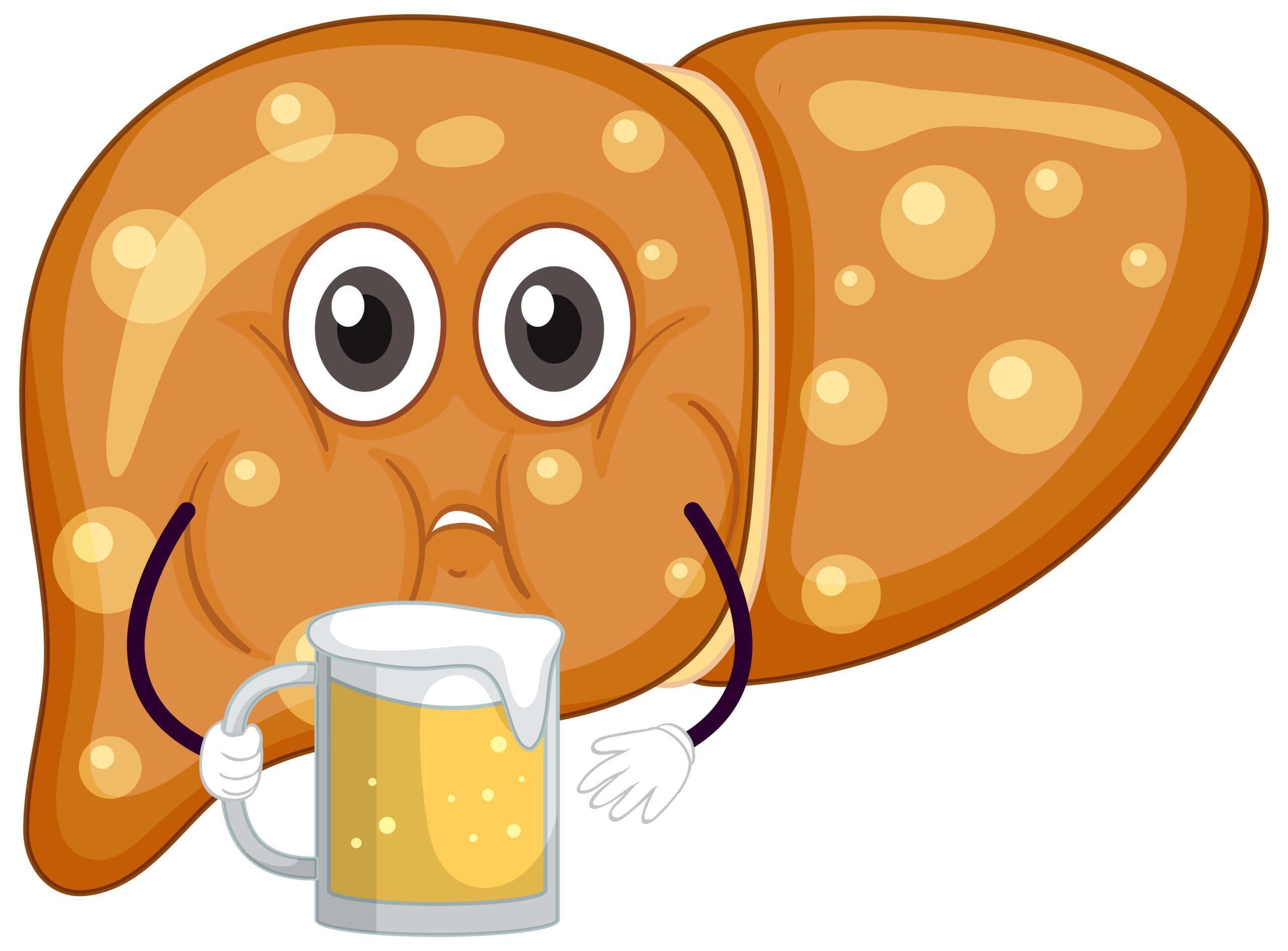
Alcoholic Hepatitis - A Serious Form of Liver Disease.

Alcoholic hepatitis occurs when long-term, heavy alcohol consumption leads to inflammation of the liver and represents a more advanced stage of alcoholic liver disease. If alcoholic hepatitis is untreated, it can progress to advanced stages such as alcoholic cirrhosis, which causes irreversible damage to the liver.


The liver helps remove toxins from the body and supports digestion, and long-term heavy alcohol consumption causes damage to the liver cells, leading to swelling and injury called alcoholic hepatitis. Diagnosing alcoholic hepatitis in the early stages is important to prevent further serious complications.


Dr. Prashant Kadam evaluates and treats patients with alcoholic hepatitis, providing care that controls liver damage, manages symptoms, and stops the condition from advancing to more severe stages like alcoholic cirrhosis.

Symptoms of Alcoholic Hepatitis

Hepatitis caused by alcohol can start slowly, with early symptoms often missed as they are mild. However, as the inflammation of the liver increases, the symptoms will become more noticeable and affect your daily life.

Signs of Alcoholic Hepatitis include:

  • Yellowing of skin or eyes
  • Wakness and tiredness
  • Pain in the upper right side of the belly
  • Feeling sick or loss of appetite
  • Swelling of the abdomen

If you experience any of these symptoms, early consultation with a liver transplant specialist can help prevent complications in the liver.

Alcoholic Hepatitis vs Alcoholic Cirrhosis

Both of these conditions lead to liver disease caused by alcohol, but they are two different stages of seriousness.

Aspect

Alcoholic Hepatitis

Alcoholic Cirrhosis

Damage Type:

Inflammation

Scarring

Reversible:

Often reversible early

Usually irreversible

Stage

Active inflammatory stage

Advanced chronic stage

Treatment Goal

Reduce inflammation

Manage complications/transplant

Aspect

Alcoholic Hepatitis

Alcoholic Cirrhosis

Damage Type:

Inflammation

Scarring

Reversible:

Often reversible early

Usually irreversible

Stage

Active inflammatory stage

Advanced chronic stage

Treatment Goal

Reduce inflammation

Manage complications/transplant

If alcoholic hepatitis is not treated, it can progress to alcoholic cirrhosis, which involves permanent liver damage. Knowing the difference helps in determining the treatment and what changes to be made in lifestyle. Seeing a doctor early can reduce the levels of inflammation in the liver, improve the symptoms, and stop the condition from getting worse.

How is Alcoholic Hepatitis Diagnosed?

Doctors check your blood, use scans, and review your medical history to diagnose alcoholic hepatitis. To receive the best results for treatment, the patient must completely stop consuming alcohol. Treatment focuses on reducing inflammation, encouraging proper nutrition, and monitoring the liver. In some serious cases, patients may need a liver transplant surgery. Dr. Prashant Kadam is a trusted liver transplant specialist in Mumbai, providing the best treatment to manage alcoholic hepatitis and prevent it from getting worse.

Why Early Treatment of Alcoholic Hepatitis Matters?

Early intervention significantly improves the outcomes and when treated quickly, alcoholic hepatitis may improve and liver function becomes stable. With early intervention:

  • Liver inflammation is likely to decrease
  • Improvement in liver function
  • Reduction in the possibility of the development of alcoholic cirrhosis

Without treatment, the liver may fail, and there may be a lot of other serious medical complications.

Prevention Tips for Alcoholic Hepatitis

Prevention focuses mainly on lifestyle changes to protect the liver and reduce the risk of alcoholic hepatitis. Simple preventive measures include:

  • Avoiding excessive alcohol
  • Getting assistance for alcohol issues
  • Eating a healthy, balanced diet
  • Regular liver check-ups
  • Early check-up if you consume alcohol frequently

Protecting your liver through consistent care, limiting alcohol consumption, and monitoring your overall health can significantly reduce the chances of severe alcoholic hepatitis in the future. Adopting healthy habits today supports liver health and reduces the risk of serious complications later.

When Should You Consult a Specialist?

If you notice symptoms such as jaundice, abdominal swelling, extreme tiredness, or abnormal liver function test results, it is important to see a specialist, especially if you have consumed alcohol heavily in the past.


Dr. Prashant Kadam is a leading specialist in managing alcoholic hepatitis, providing expert care designed for each patient. He also offers complete treatment for complications that develop from liver disease, helping patients achieve the best possible outcomes.


Schedule an appointment with Dr. Prashant Kadam today for expert diagnosis and personalised treatment.

Frequently Asked Questions

If detected early and alcohol is completely stopped, alcoholic hepatitis may improve significantly with treatment.

Yes, severe cases can lead to liver failure and require urgent medical attention.

Alcoholic liver disease includes all liver problems caused by alcohol, while alcoholic hepatitis is a stage where the liver is damaged.

If liver damage advances to end-stage liver failure or alcoholic cirrhosis, a transplant consultation may be necessary.

Schedule Appointment

Fill out the form below, and we will be in touch shortly.