Dr Prashant Kadam

LIVER TRANSPLANT +
CANCER SURGERY +
LIVER TRANSPLANT
GALL BLADDER SURGERY +
BILIARY SURGERY +
CANCER SURGERY
LIVER TRANSPLANT +
PANCREATIC SURGERY
CANCER SURGERY +
LIVER TRANSPLANT
LIVER SURGERY +
CANCER SURGERY
Jaundice - Causes, Symptoms & Treatment

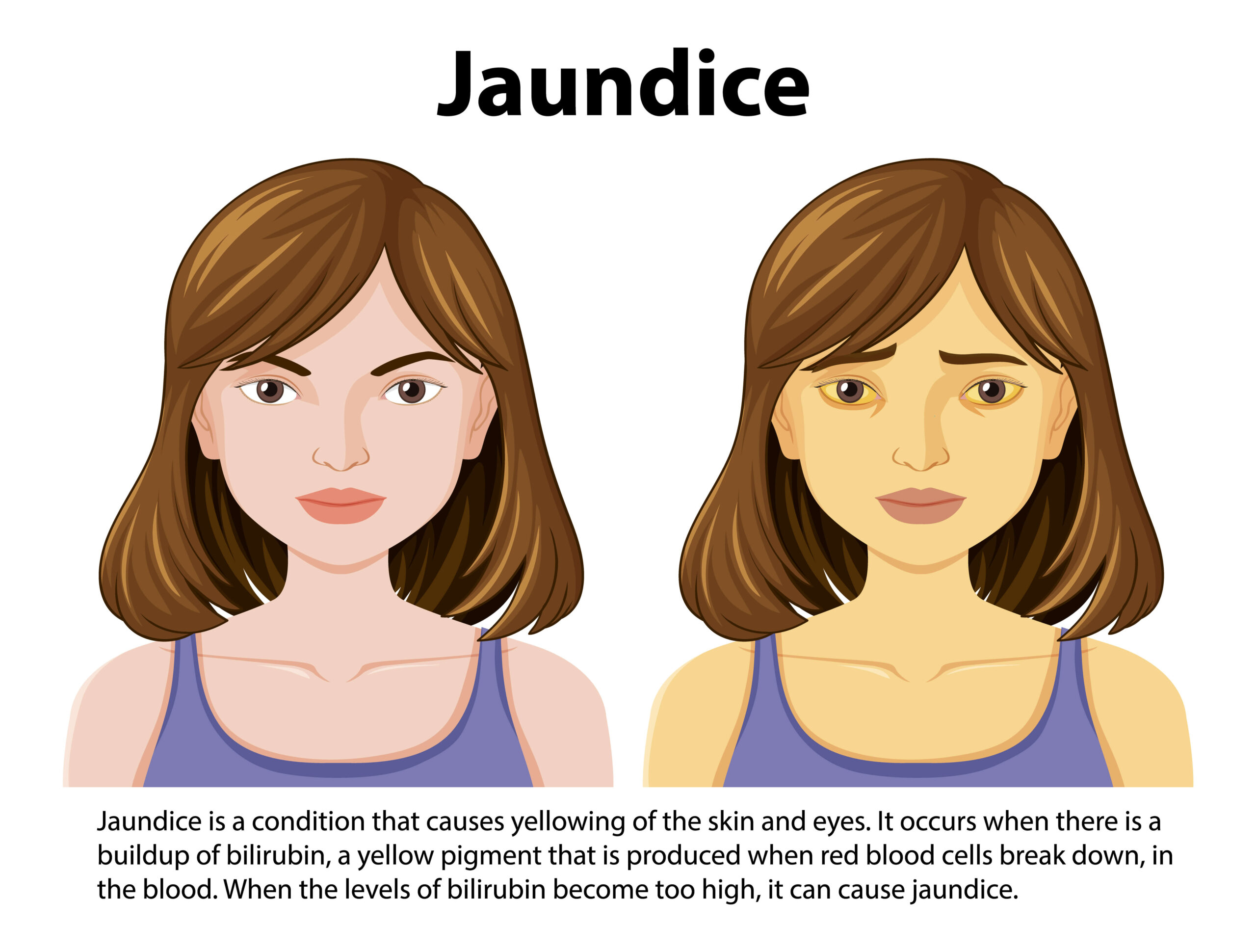
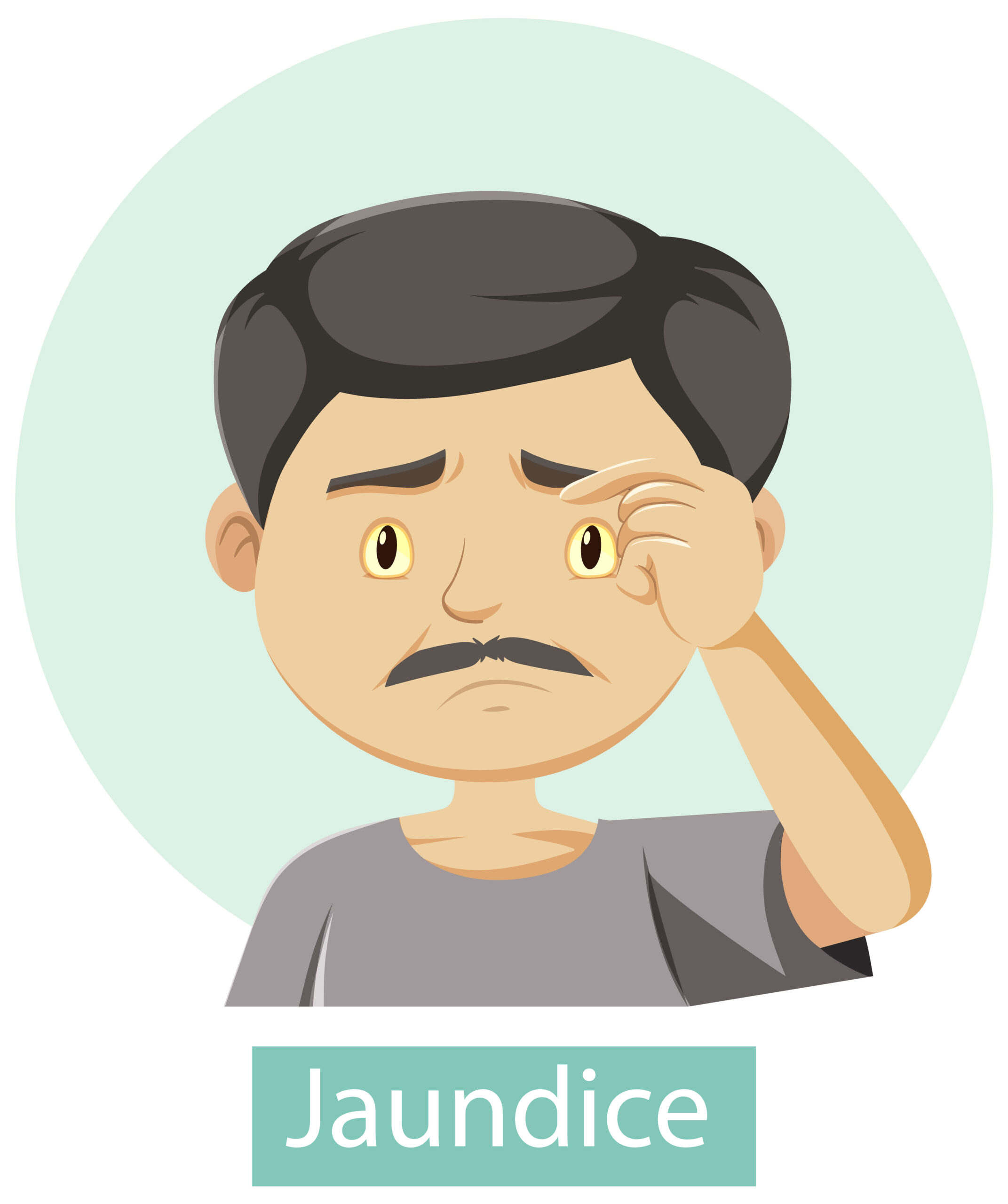
Jaundice is a medical condition in which the skin, the whites of the eyes and sometimes even the nails turn yellow. This yellowing occurs due to an increased level of bilirubin in the bloodstream. Bilirubin is a yellow pigment that forms when old red blood cells naturally break down. Under normal conditions, the liver processes bilirubin and removes it through bile. However, jaundice develops when this process is stopped by liver problems, bile duct obstruction or too much breakdown of red blood cells.


Although jaundice is not a disease, it is a warning sign of a health problem. In adults, it often shows liver issues or a blockage in the bile system and needs quick medical attention.

Stages of Jaundice

Jaundice is categorised into different stages based on the cause and how the liver handles bilirubin and knowing the type helps doctors treat it correctly, while early detection can prevent complications and make recovery easier. The main types of jaundice are as follows:

  1. Pre-hepatic jaundice (hemolytic)
    This jaundice occurs when red blood cells break down faster than usual. Even if the liver is working normally, it cannot keep up with the extra bilirubin, leading to yellowing of the skin and eyes.
  2. Hepatic (Hepatocellular) Jaundice
    Hepatic jaundice happens when liver cells are damaged; some of the common causes include cirrhosis, fatty liver, viral hepatitis and alcoholic hepatitis. This type is most common in adults with jaundice.
  3. Post-hepatic (Obstructive) Jaundice
    Post-hepatic jaundice occurs when the flow of bile from the liver to the intestines is blocked. This blockage may be caused by gallstones, strictures or tumours and it often requires urgent medical treatment or surgery. The obstruction often requires urgent medical treatment or surgery to manage obstructive jaundice.
  4. Neonatal Jaundice
    Neonatal jaundice is one of the earliest forms and occurs in newborn babies. Their livers are still developing and may not be able to process bilirubin properly in the first few days of life, causing temporary yellowing of the skin and eyes.

Symptoms of Jaundice

Symptoms of jaundice will appear either gradually or suddenly, depending upon the cause of the Jaundice. The following are common symptoms of the disease:

  • Yellowing of skin and eyes
  • Dark urine
  • Pale or clay-colored stools
  • Itching
  • Fatigue
  • Abdominal discomfort

Additionally, the presence of jaundice in adults is often linked with sudden loss of weight or continuous pain in the abdomen. This may be a sign of a very serious problem in the functioning of the liver. 

Diagnosis of Jaundice

Diagnosis of liver jaundice is primarily done through some blood tests that evaluate the levels of bilirubin and liver function. In addition to that, a doctor will also do tests, which may include an ultrasound or a CT scan, to evaluate the presence of any form of blockage. In patients where obstructive jaundice is suspected, the doctor may do further tests to determine the cause and extent of the blockage.


Liver jaundice treatment is primarily based on the underlying cause of the liver malfunction. For the early stages of liver disease, treatment may be provided through medication and some simple changes in the lifestyle of the patient. However, for cases of liver malfunction that involve some blockage, the patient may be required to undergo endoscopy in the form of ERCP (Endoscopic Retrograde Cholangiopancreatography) or surgery to rectify the condition.


Liver disease can reach an advanced stage, where a transplantation procedure becomes a medical necessity. For patients seeking the best liver transplant surgeon in India, Dr. Prashant Kadam is known for providing expert liver care combined with advanced surgical skill. His approach focuses on personalised care to achieve the best possible results for every patient.

Jaundice Prevention and Early Care

Although not all types of jaundice can be avoided, some risk factors can be controlled. Jaundice can be prevented with the following methods: 

  • Hepatitis vaccination
  • Less alcohol consumption
  • Healthy body weight
  • Managing existing health conditions

Early detection through regular doctor visits can reduce the risk of severe liver complications. This allows the doctor to provide timely treatment and effectively manage the disease. Combined with a healthy lifestyle, this approach supports long-term liver health and overall well-being.

Book an Appointment with Dr. Prashant Kadam

If you have jaundice or other complications that could affect your liver, do not delay in getting a diagnosis and the necessary medical treatment.


Receive expert evaluation, detailed assessment and personalised treatment for your liver from Dr. Prashant Kadam. 


Start your journey to a healthier liver by booking your appointment today!

Frequently Asked Questions

Liver jaundice is the yellowing of the skin and eyes caused by excess bilirubin due to liver issues or bile duct blockage.

It is caused by a blockage in the bile ducts, often due to gallstones, narrowing or tumours.

Yellow skin and eyes, dark urine, pale stools, itching, fatigue, abdominal pain and sudden weight loss.

Treatment depends on the cause; early cases use medication and lifestyle changes, while blockages may need endoscopy or surgery.

Schedule Appointment

Fill out the form below, and we will be in touch shortly.