Dr Prashant Kadam

LIVER TRANSPLANT +
CANCER SURGERY +
LIVER TRANSPLANT
GALL BLADDER SURGERY +
BILIARY SURGERY +
CANCER SURGERY
LIVER TRANSPLANT +
PANCREATIC SURGERY
CANCER SURGERY +
LIVER TRANSPLANT
LIVER SURGERY +
CANCER SURGERY

Adult Liver Transplant

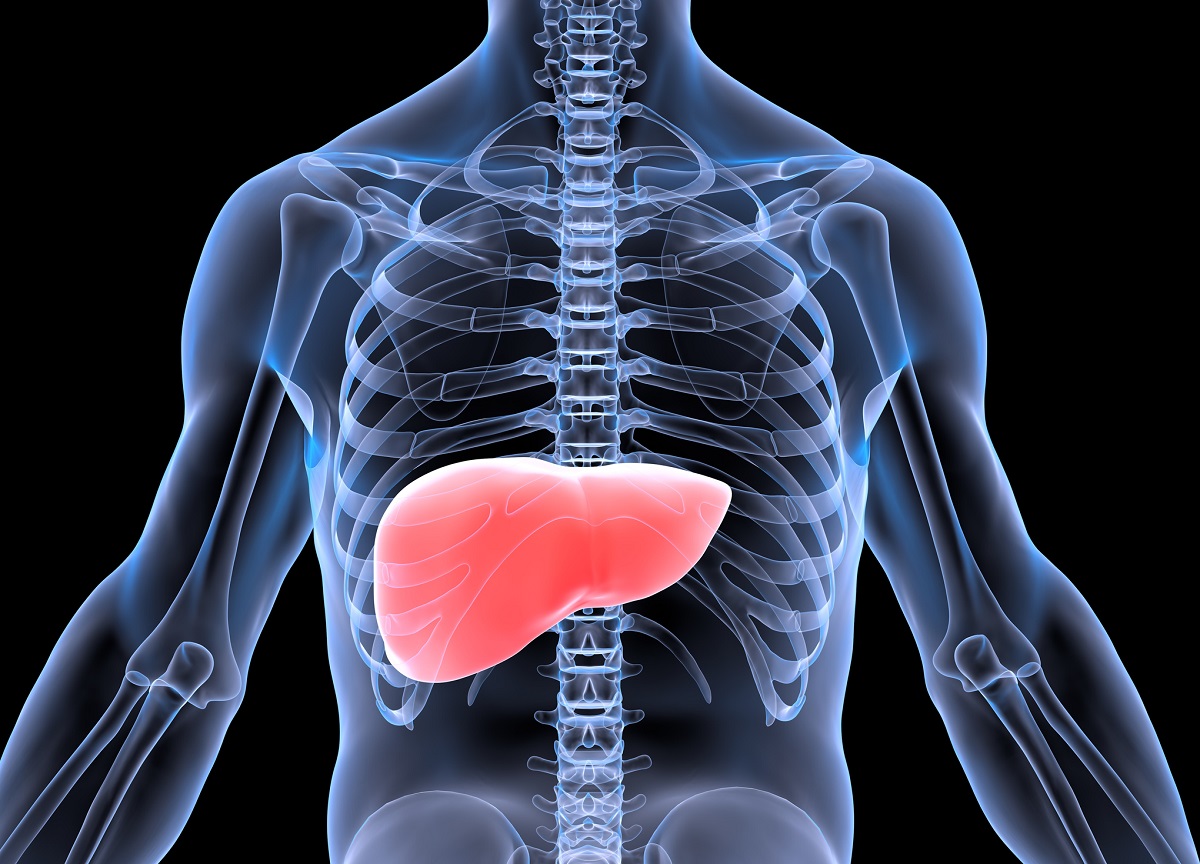
An adult liver transplant is a medical procedure in which a diseased or failing liver is replaced with a healthy liver from a donor. It is typically performed when a person’s liver is no longer functioning well enough to maintain normal bodily functions, and other treatments, like medication, are no longer effective. The transplant can involve either a whole liver from a deceased donor or a portion of a liver from a living donor.

An adult liver transplant is a surgical procedure that replaces a diseased or damaged liver with a healthy one from a donor. The procedure is typically performed when the liver can no longer perform its essential functions due to chronic liver diseases, acute liver failure, or liver cancer.

Common Reasons for Liver Transplant in Adults:

  • Chronic Liver Diseases:

    • Cirrhosis (scarring of the liver tissue)
    • Hepatitis B or C infections
    • Alcoholic liver disease
    • Non-alcoholic fatty liver disease (NAFLD)
    • Autoimmune liver diseases (e.g., autoimmune hepatitis)
  • Acute Liver Failure: A rapid decline in liver function due to factors like drug overdose (e.g., acetaminophen toxicity), viral infections, or toxins.

  • Liver Cancer (Hepatocellular carcinoma): When liver cancer is diagnosed and the tumor is confined to the liver, transplant may be recommended.

Liver Transplant Process:

  1. Evaluation: The patient undergoes a comprehensive evaluation to determine if they are a good candidate for a liver transplant. This involves blood tests, imaging tests (like ultrasound or CT scans), and a physical exam to assess the liver’s function and the overall health of the patient.

  2. Waiting List: If the patient qualifies, they are placed on a liver transplant waiting list. The length of time on the waiting list varies based on the severity of the liver disease, blood type compatibility, and donor availability.

  3. Transplant Surgery: Once a suitable donor liver is available, the surgery is performed. The surgeon removes the diseased liver and replaces it with the donor liver. The transplant requires general anesthesia and typically takes several hours.

  4. Post-Transplant Care: After surgery, patients are closely monitored in the hospital for complications, such as infection, rejection of the new liver, or blood clotting issues. Patients are required to take immunosuppressive medications to prevent the immune system from attacking the new liver.

  5. Recovery: Full recovery can take months, and the patient will need lifelong follow-up care. Regular blood tests, imaging, and visits to the transplant center are necessary to monitor liver function and overall health.

Risks and Complications:

  • Rejection of the new liver: The immune system may attack the transplanted liver, which can be managed with immunosuppressive drugs.
  • Infections: Because immunosuppressive drugs weaken the immune system, the risk of infections increases.
  • Bleeding or blood clotting problems: Surgery and the use of immunosuppressive drugs may lead to bleeding or clotting issues.
  • Graft failure: The new liver may not work properly, requiring further treatment.

Long-Term Outlook:

The success rate of liver transplants has improved over the years, and many patients can lead a normal life after the transplant with proper care and lifestyle adjustments. However, lifelong medical follow-up and adherence to prescribed medications are essential for maintaining liver health.
FAQ'S

What is a liver transplant?
A liver transplant is a surgery in which a diseased or damaged liver is replaced with a healthy liver from a donor. The transplant is usually considered when a person’s liver is failing and cannot perform its necessary functions.
While liver transplants can save lives, they carry risks such as infection, bleeding, rejection of the new liver, blood clots, and complications from anesthesia. The transplant team will discuss these risks with you before the surgery.
The surgery typically lasts between 6 and 12 hours. The surgeon will remove your damaged liver and replace it with the donor liver. After the surgery, you’ll be closely monitored in the hospital for several days.

Schedule Appointment

Fill out the form below, and we will be in touch shortly.