Dr Prashant Kadam

LIVER TRANSPLANT +
CANCER SURGERY +
LIVER TRANSPLANT
GALL BLADDER SURGERY +
BILIARY SURGERY +
CANCER SURGERY
LIVER TRANSPLANT +
PANCREATIC SURGERY
CANCER SURGERY +
LIVER TRANSPLANT
LIVER SURGERY +
CANCER SURGERY
Liver Cancer: Causes and Treatment Overview

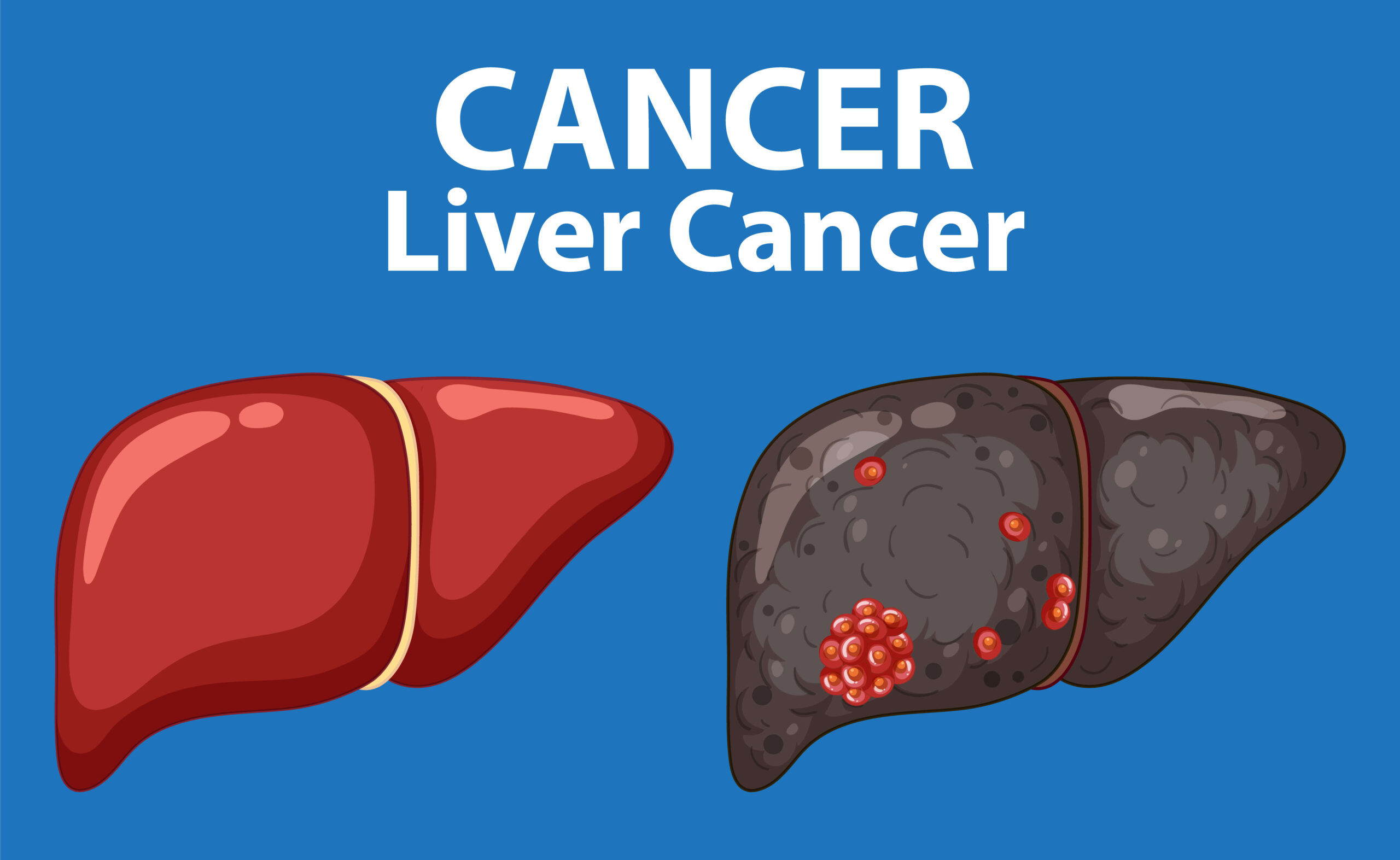
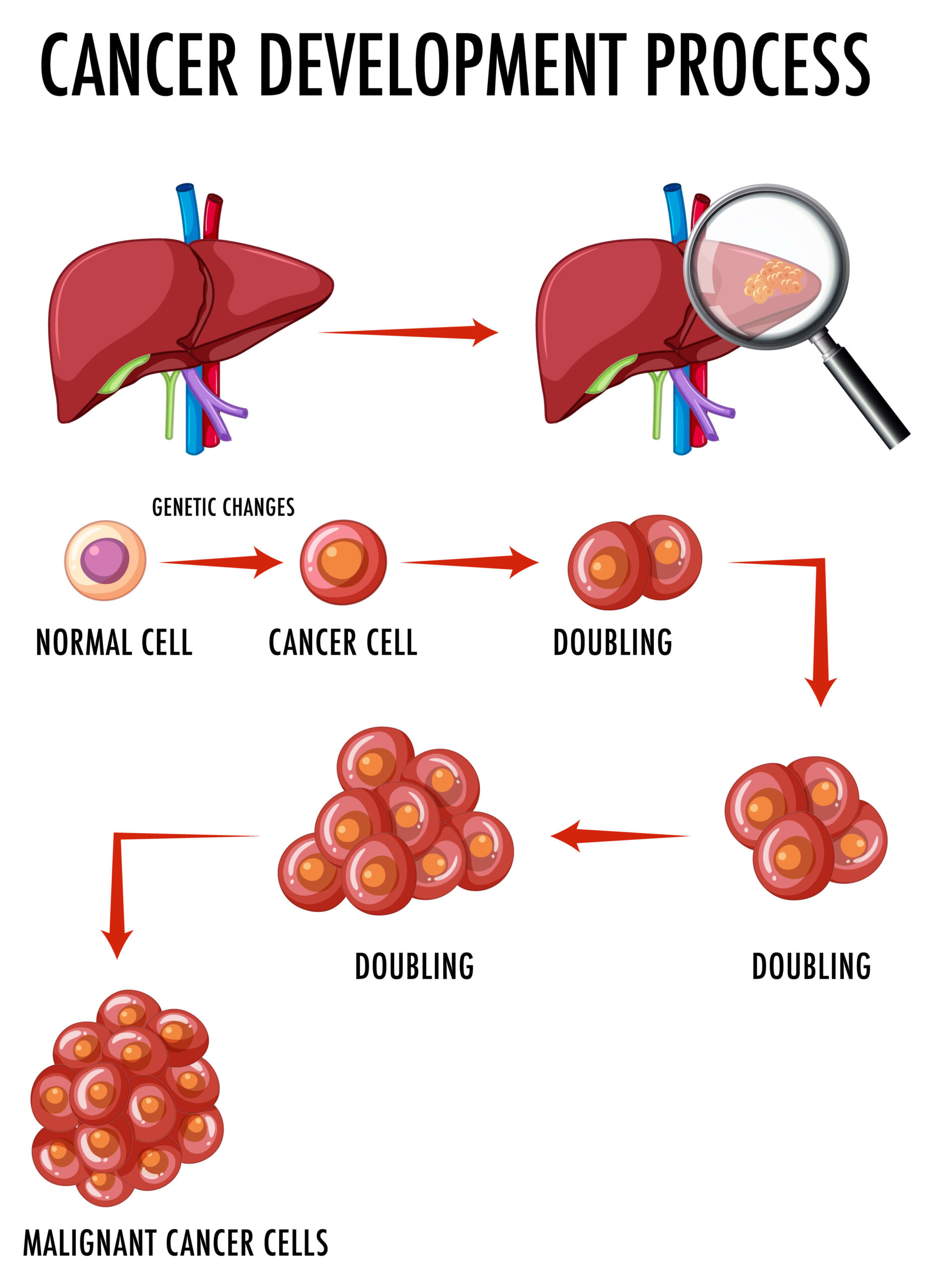
Liver cancer develops when some cells in the liver begin to grow in an uncontrolled manner. The liver supports digestion, detoxification, and energy storage. When cancer affects the liver, the body’s functions are severely disturbed. Early detection of liver cancer increases the chances of treatment and survival. Dr. Prashant Kadam provides the Best liver cancer treatment and advanced care for patients with liver cancer.

What is liver cancer?

Liver cancer is a disease in which cancerous growth develops in the tissues of the liver. Liver cancer can either be primary, which means it starts in the liver, or secondary, where cancer begins in another organ and spreads to the liver. The primary form of liver cancer is called hepatocellular carcinoma, and it originates from the hepatocyte, the cell type of the liver.


Hepatocellular carcinoma is linked to chronic liver diseases like hepatitis and cirrhosis in the Indian population. There is also secondary liver cancer, which occurs when the cancer from the colon or the cancer of the pancreas spreads to the liver.

Causes and Risk Factors

Several conditions increase the risk of liver cancer:

  • Chronic hepatitis B or C
  • Liver cirrhosis
  • Fatty liver disease
  • Long-term alcohol use
  • Toxin exposure
  • Family history of liver disease

People at higher risk need regular follow-up, as early detection allows timely liver cancer treatment.

Symptoms of Liver Cancer

Early liver cancer often causes no clear symptoms. As the tumour grows, symptoms may include upper abdominal pain, weight loss, poor appetite, fatigue, jaundice, or abdominal swelling due to fluid buildup.


If these symptoms continue, a medical evaluation is important to detect cancer. Early consultation helps confirm the diagnosis at a stage when treatment options are more.

Diagnosis of Liver Cancer

Diagnosis of liver cancer involves the patient’s medical history and laboratory tests. Liver tests can be done using Ultrasound, CT or MRI. Blood tests may be done to assess liver function and tumour markers may aid the diagnosis. In some patients, a liver biopsy is done to confirm liver cancer. Accurate staging is important as it guides the selection of treatment options.

Liver Cancer Treatment Options

The treatment of liver cancer will depend on the size of the tumour, the number of lesions present, the overall liver condition, and the patient’s fitness. The most common treatments of liver cancer include surgery like liver resection, liver transplant, ablation therapies, targeted therapy and systemic treatments.


When the tumour is detected early and liver function is adequate, liver tumour surgery offers the best chance of cure. The liver’s ability to regenerate makes surgical removal possible in many patients. Dr. Prashant Kadam specialises in advanced liver tumour surgery, including complex and minimally invasive procedures, and identifies the best options for each patient.


In patients with severe cirrhosis and early-stage cancer, liver transplant may be recommended. For advanced stages, non-surgical therapies help control tumour growth and improve quality of life. Dr. Prashant Kadam is known as the Best doctor in Mumbai for liver transplant surgery, as he is one of the most experienced doctors in treating liver conditions and liver transplant surgery.

Comparison of Surgical and Non-Surgical Treatment

Aspect

Liver Tumour Surgery

Non-Surgical Treatment

Purpose

Complete tumour removal

Tumour control

Best suited for

Early-stage liver cancer

Advanced or inoperable cases

Long-term outcome

Higher cure rates in selected cases

Focus on disease control

Liver function

Requires good liver reserve

Used when surgery is unsuitable

Aspect

Liver Tumour Surgery

Non-Surgical Treatment

Purpose

Complete tumour removal

Tumour control

Best suited for

Early-stage liver cancer

Advanced or inoperable cases

Long-term outcome

Higher cure rates in selected cases

Focus on disease control

Liver function

Requires good liver reserve

Used when surgery is unsuitable

Dr. Prashant Kadam carefully evaluates each case before recommending liver tumour surgery or alternative liver cancer treatment options.

When Should You Consult a Liver Specialist?

If you have hepatitis, cirrhosis, or fatty liver disease, regular check-ups are important. Simple tests like blood work and ultrasound help detect hepatocellular carcinoma at an early stage, sometimes even before symptoms start.

Do not ignore signs such as ongoing abdominal pain, sudden weight loss, yellowing of the eyes, or swelling in the abdomen. These symptoms should be evaluated by a specialist.

Early consultation helps plan the right liver cancer treatment at the right time and improves overall outcomes.

Frequently Asked Questions

The most common type is hepatocellular carcinoma, which develops from the main liver cells.

Yes, early-stage liver cancer is often treated successfully with liver tumour surgery or transplant. Advanced stages are managed with other therapies.

People with hepatitis B, hepatitis C, cirrhosis, fatty liver disease, or heavy alcohol use are at higher risk.

The main liver cancer treatment methods include surgery, transplant, ablation therapy, targeted therapy, and systemic treatments, depending on the stage and liver condition.

Schedule Appointment

Fill out the form below, and we will be in touch shortly.