Dr Prashant Kadam

LIVER TRANSPLANT +
CANCER SURGERY +
LIVER TRANSPLANT
GALL BLADDER SURGERY +
BILIARY SURGERY +
CANCER SURGERY
LIVER TRANSPLANT +
PANCREATIC SURGERY
CANCER SURGERY +
LIVER TRANSPLANT
LIVER SURGERY +
CANCER SURGERY
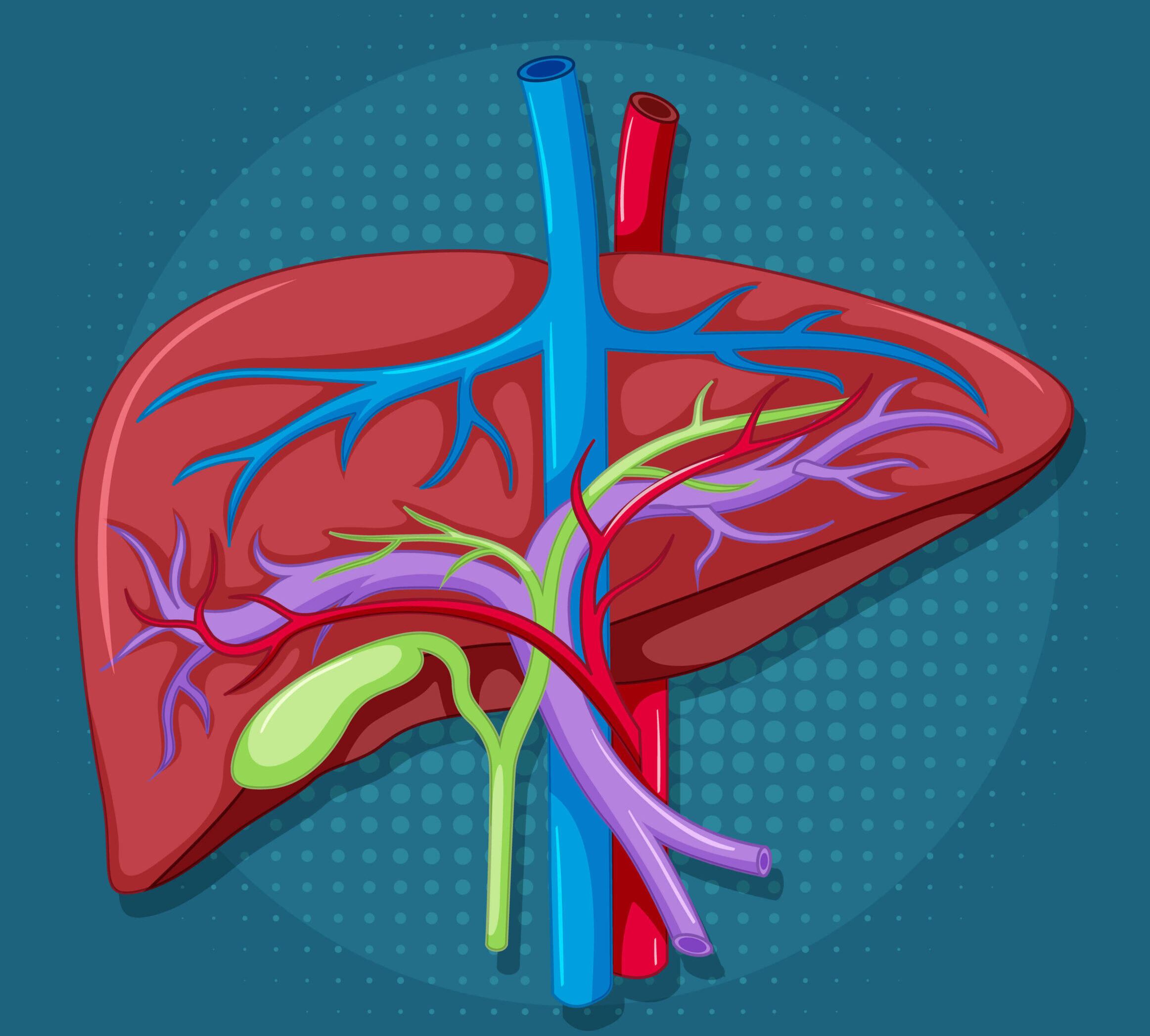
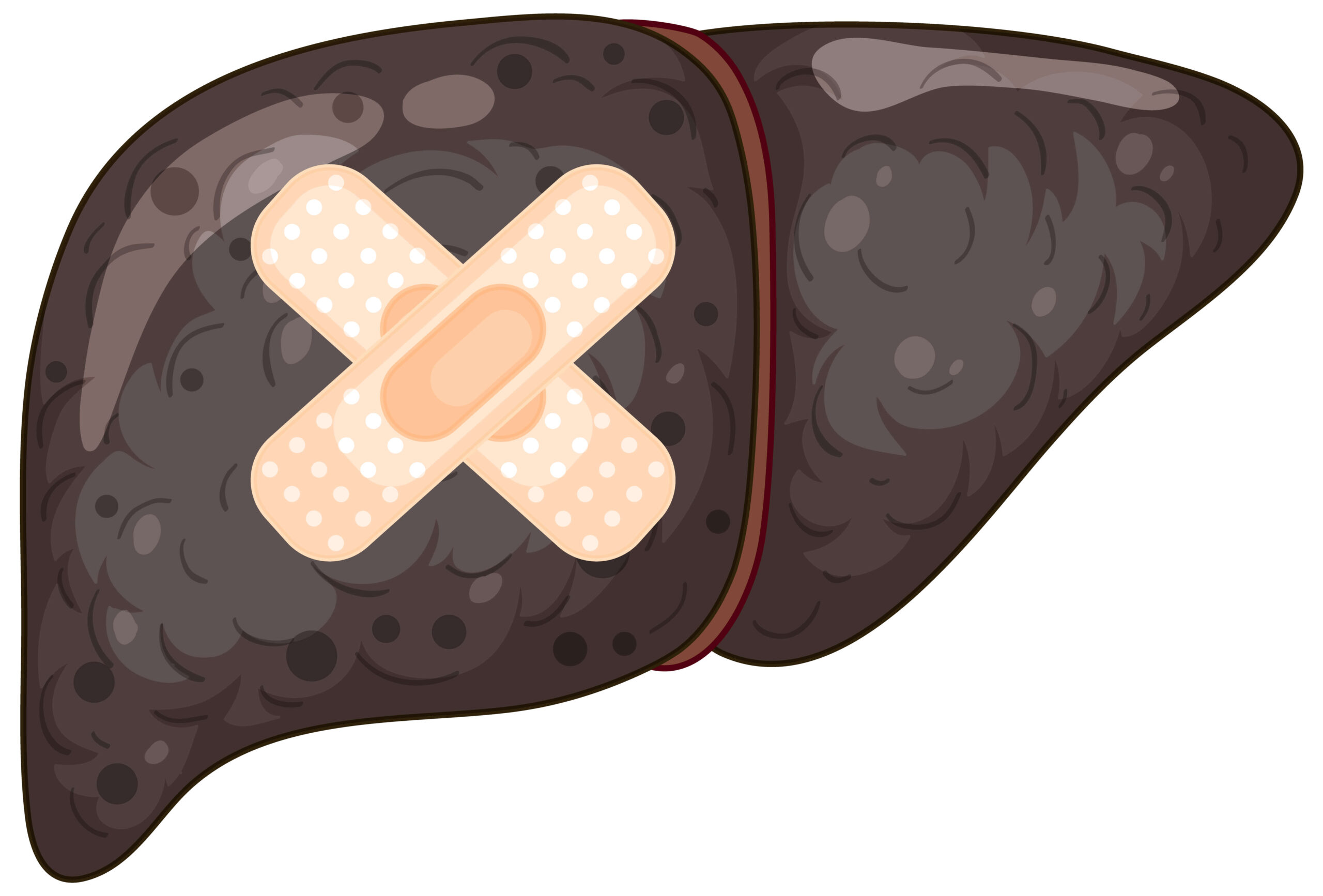
Cirrhosis of the Liver: Information on Symptoms, Causes, and Treatment

What is Liver Cirrhosis?

Liver Cirrhosis is a condition that includes continuous scarring of the liver tissue. It replaces healthy liver tissue, and this scar tissue continues to develop over time, worsening the damage to the liver. Complications may arise that may be harmful to your health. However, early detection, along with the right treatment, can help improve one’s condition and slow down the disease’s progression.

Causes of Liver Cirrhosis

Many causes can lead to cirrhosis of liver, such as:

  • Excessive alcohol consumption
  • Hepatitis B or C
  • Fatty liver disease is related to increased body fat or diabetes
  • Immune system liver conditions
  • Liver disease caused by long-term drug use

Identifying the exact cause is important because treatment depends on what is damaging the liver. Managing the root problem early can help slow the progression of cirrhosis of the liver and reduce the risk of serious complications.

What are the Symptoms of Liver Cirrhosis?

Because the symptoms of liver cirrhosis can develop slowly over a long time, liver cirrhosis is often discovered late in the progression of the disease. Common symptoms include:

  • Feeling tired and weak
  • Lost appetite and weight loss
  • Stomach pain and vomiting
  • The skin and the eyes turning yellow (known as Jaundice)
  • Swelling of the legs and the tummy
  • Bruising or bleeding more easily than usual

The progression of liver damage determines how serious these symptoms become. As the disease’s symptoms worsen, this damage can result in severe accumulation of fluid, severe gastrointestinal bleeding, and liver failure.

Stages Of Liver Cirrhosis

Cirrhosis of the liver worsens gradually and can be divided into different stages:

StageDescriptionSymptoms
Early/CompensatedLiver still works despite damageMild fatigue, occasional discomfort
Advanced/DecompensatedLiver function declines significantlyJaundice, fluid buildup, confusion, bleeding
End Stage Liver DiseaseSevere scarring and liver failureLife-threatening complications, requiring immediate specialist care
StageDescriptionSymptoms
Early/CompensatedLiver still works despite damageMild fatigue, occasional discomfort
Advanced/DecompensatedLiver function declines significantlyJaundice, fluid buildup, confusion, bleeding
End Stage Liver DiseaseSevere scarring and liver failureLife-threatening complications, requiring immediate specialist care

Knowing the stage of liver cirrhosis helps choose the right treatment, control symptoms properly, and detect complications at an early stage. While the earlier stages of cirrhosis are potentially controllable through lifestyle changes and ongoing regular check-ups, the more advanced stages will likely require surgical treatments such as organ transplantation. Dr. Prashant Kadam offers specialized treatment options across all stages of liver disease to support better recovery and long-term health.

Diagnosis Of Liver Cirrhosis

To diagnose liver cirrhosis, the doctor first reviews your medical history and performs a physical examination. This is usually followed by a combination of tests such as:

  • Blood tests to evaluate the functions of the liver.
  • Tumour markers
  • Ultrasounds, CT scans, and MRI scans.
  • Liver biopsy when necessary.

Treatment Options for Liver Cirrhosis

Treatment depends on the stage and cause of liver cirrhosis. While early-stage cirrhosis focuses on slowing progression and managing symptoms, advanced stages may require more intensive interventions.

  • Lifestyle changes: Avoid alcohol, maintain a nutritious diet, and control chronic diseases such as diabetes and high cholesterol.
  • Medications: Take medications to help with fluid retention, manage infections, and control associated complications.
  • Procedures: Potential therapies include endoscopy to manage bleeding, swollen veins and paracentesis to manage excess abdominal fluid.
  • Surgery or Transplant: A liver transplant may be required for end stage liver disease or decompensated cirrhosis of the liver. In such situations, Dr. Prashant Kadam offers advanced liver transplant surgery to manage severe liver failure. He is also recognised as one of the Best doctors for liver transplant in Mumbai, performing advanced surgical procedures to restore liver function and improve survival.

Preventing Complications

To minimise the complications of cirrhosis of the liver, the following steps can be taken to ensure better control of the disease:

  • Regular assessment of liver function
  • Vaccination against the hepatitis A and B viruses
  • Early treatment of any infections
  • Avoiding alcohol and other substances that can harm the liver

When to Consult a Liver Specialist?

You should consider seeing a liver specialist if you feel constant tiredness, have jaundice (yellowing of the skin or eyes), or notice swelling in your legs or stomach area. Liver-related issues should also be suspected for the following:

  • Changes in mental state (confusion)
  • Easy bruising
  • Sudden changes in appetite or weight

People with a past of regular alcohol consumption, viral hepatitis, or fatty liver disease should be especially careful and monitor their liver health closely.

Early consultation with experts helps detect problems before they become serious. Timely tests and regular monitoring allow for treatments that can slow the progression of liver cirrhosis and manage symptoms effectively. In advanced cases, specialists can provide procedures or surgical options such as a liver transplant, to restore liver function.

Don’t wait until your symptoms become severe or cause serious health problems. Book an appointment with Dr. Prashant Kadam, one of the best liver specialists in Mumbai, to check your liver health and get a treatment plan suited to you. Early care can improve your quality of life and prevent serious complications.

Frequently Asked Questions

Compensated cirrhosis is when the liver is not fully functional but is still operating. Decompensated cirrhosis is the complete opposite; the liver is malfunctioning and there are additional problems like bleeding or fluid.

Early-stage liver cirrhosis can be slowed or partially reversed by treating the cause and making lifestyle changes. Advanced stages require specialised medical care.

Doctors use blood tests, imaging, and sometimes a liver biopsy to confirm cirrhosis and evaluate its severity.

A liver transplant is needed for end stage liver disease or decompensated cirrhosis when other therapies have failed to maintain liver function. 

Schedule Appointment

Fill out the form below, and we will be in touch shortly.