Dr Prashant Kadam

LIVER TRANSPLANT +
CANCER SURGERY +
LIVER TRANSPLANT
GALL BLADDER SURGERY +
BILIARY SURGERY +
CANCER SURGERY
LIVER TRANSPLANT +
PANCREATIC SURGERY
CANCER SURGERY +
LIVER TRANSPLANT
LIVER SURGERY +
CANCER SURGERY
Bile Duct Cancer Surgery

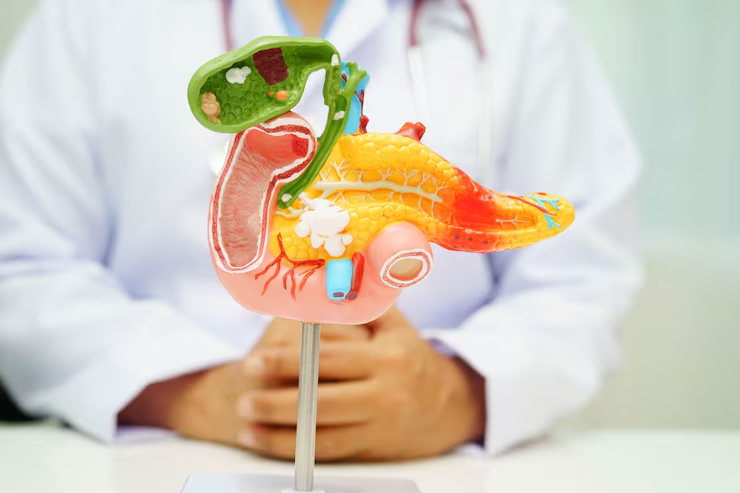
Bile duct cancer surgery treats cholangiocarcinoma, a type of cancer that affects the tubes carrying bile from the liver to the small intestine. People frequently discover this cancer after it has developed without their notice. The treatment plan requires precise development based on three factors, which include tumour location and disease extent, liver function and patient’s complete health status. The surgical procedure removes cancerous tissue while preserving sufficient healthy liver tissue to maintain regular bile production. Dr. Prashant Kadam assesses every patient to create a personalised surgical procedure which will provide safe and effective results that last over time.

What Is Bile Duct Cancer?

Bile duct cancer occurs when abnormal cells grow within the bile ducts, inside or outside the liver. The tumour’s location affects symptoms, treatment options, and surgical complexity. Many patients notice jaundice, itching, abdominal discomfort, dark urine, pale stools, or unexplained weight loss. Dr. Prashant Kadam guides patients through the diagnosis and treatment, making sure they understand each step and helping them decide what’s best when it comes to treating bile duct tumours.

How Treatment Decisions Are Made?

Before deciding what treatment is best, doctors find out exactly where the tumour is, how big it is, and if it has spread. They use tests like CT scans and MRIs to get a good look at the tumour within the liver, bile ducts, and nearby blood vessels. Blood tests check liver function, and a biopsy is needed in some cases which may confirm the diagnosis. This detailed evaluation determines if bile duct cancer surgery is the best option or if treatments like chemotherapy or radiation should be given first. Dr. Prashant Kadam works closely with the medical team to create a safe and effective treatment plan for each patient.

When Surgery is the Best Option?

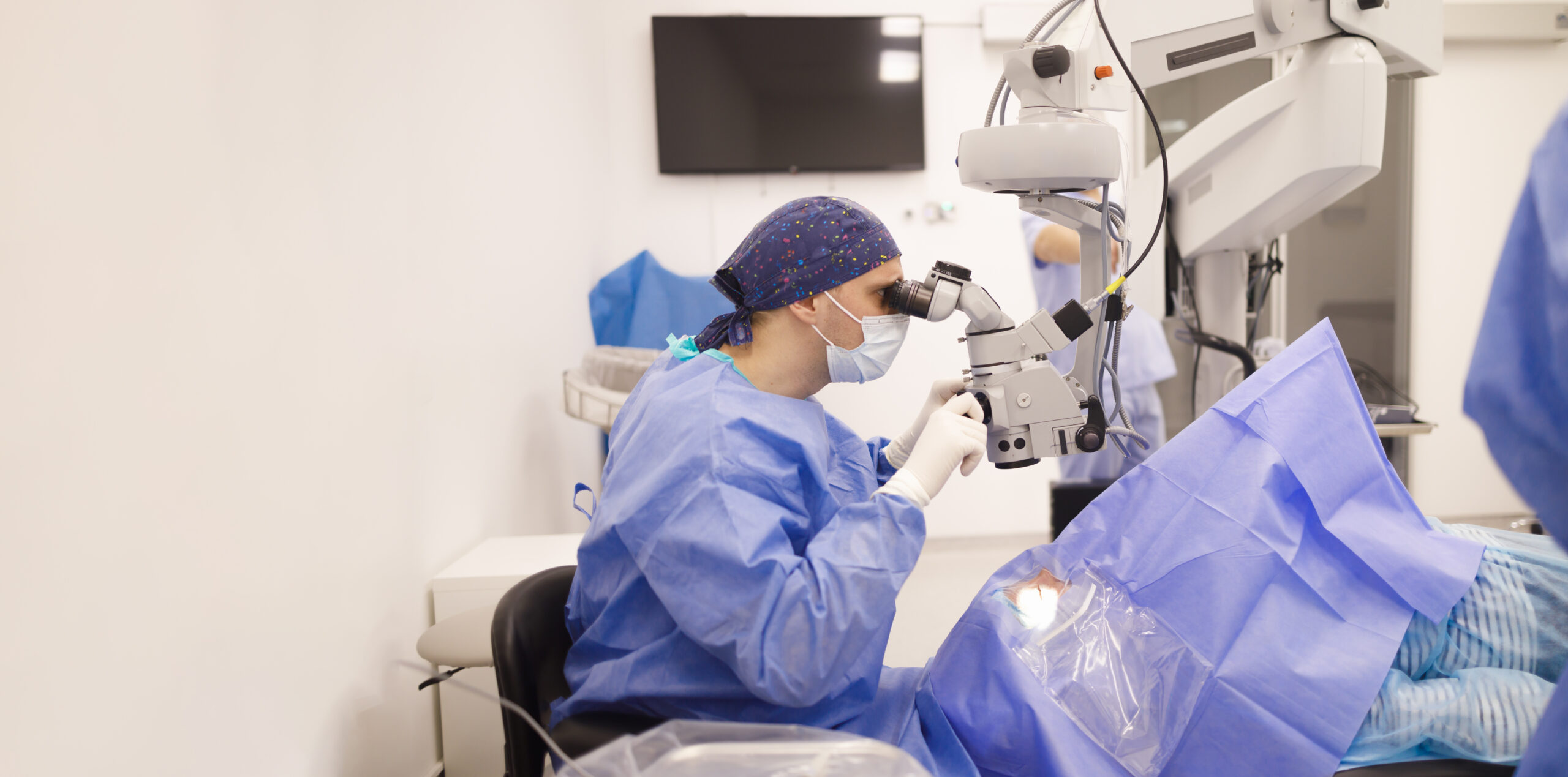
Surgery is recommended when the cancer can be safely removed. The type of bile duct cancer surgery completely depends on where the tumour is located. Dr. Prashant Kadam plans each operation to remove the tumour completely while protecting as much healthy tissue as possible, improving recovery and long-term survival. Key factors include when a surgery is really needed:

  • When the tumour is inside the liver or the central ducts
  • How much liver tissue can be safely taken out
  • If nearby lymph nodes or other body parts need to be removed 
  • How healthy the patient is overall and how well their liver is working

This careful planning ensures the best chance for complete removal and recovery. Post-surgery, patients are closely monitored to manage any complications and support liver function. A tailored follow-up plan helps detect any return of cancer early and guides additional treatments if needed.

Cholangiocarcinoma Surgery and Other Treatment Paths

Surgery for cholangiocarcinoma often provides the best chance for long-term control, but it is not always the first step. Some patients may receive chemotherapy or radiation before surgery to reduce the tumour, while others with advanced disease may need non-surgical treatments to manage symptoms and improve quality of life. Dr. Prashant Kadam reviews each case carefully, taking into consideration the tumour location, disease stage, and overall health, to recommend the treatment approach that offers the best possible outcome.

Liver Transplant as a Treatment Option

Sometimes, cancer spreads across the bile ducts inside the liver, making the surgery risky. A liver transplant removes the entire affected liver and bile ducts and replaces them with a healthy donor liver.


A liver transplant is considered only when:

  • The cancer is inside or near the liver and cannot be safely removed
  • The disease has not spread beyond the bile ducts
  • The patient meets health and eligibility criteria
  • Long-term monitoring and post-transplant care are possible

Dr. Prashant Kadam works with transplant teams to guide patients through evaluation, planning, and post-transplant care, ensuring each step is safe, coordinated, and tailored to the patient’s needs.

Post-Surgery Recovery and Follow-Up

The recovery process depends on the type of surgery and the patient’s liver health, as well as their overall fitness. In the early phase, the focus is on controlling pain, keeping an eye on your liver, and slowly getting back to eating normally and doing your usual stuff. Patients attend regular check-ups, blood tests, and scans to track their progress and ensure proper healing.

Long-term follow-up is important after bile duct tumour treatment. Routine check-ups help to find symptoms of the disease at the earliest stages, when it can be quickly treated. Dr. Prashant Kadam is involved in the whole process of recovery and to answer questions and gives personal attention to all his patients to support their long-term health. 

Frequently Asked Questions

Patients whose cancer is only in the bile ducts or nearby liver and whose liver is healthy enough for surgery.

A liver transplant becomes necessary when cancer spreads through the bile ducts and liver, which makes standard surgical procedures unsafe because they cannot remove all the tumour tissue.

Recovery time varies with the type of surgery and liver health. Most patients spend a few days to weeks in the hospital and several weeks at home before returning to normal activities.

After surgery, patients require multiple check-ups and blood tests to confirm their healing process and check whether the cancer is under control.

Schedule Appointment

Fill out the form below, and we will be in touch shortly.